

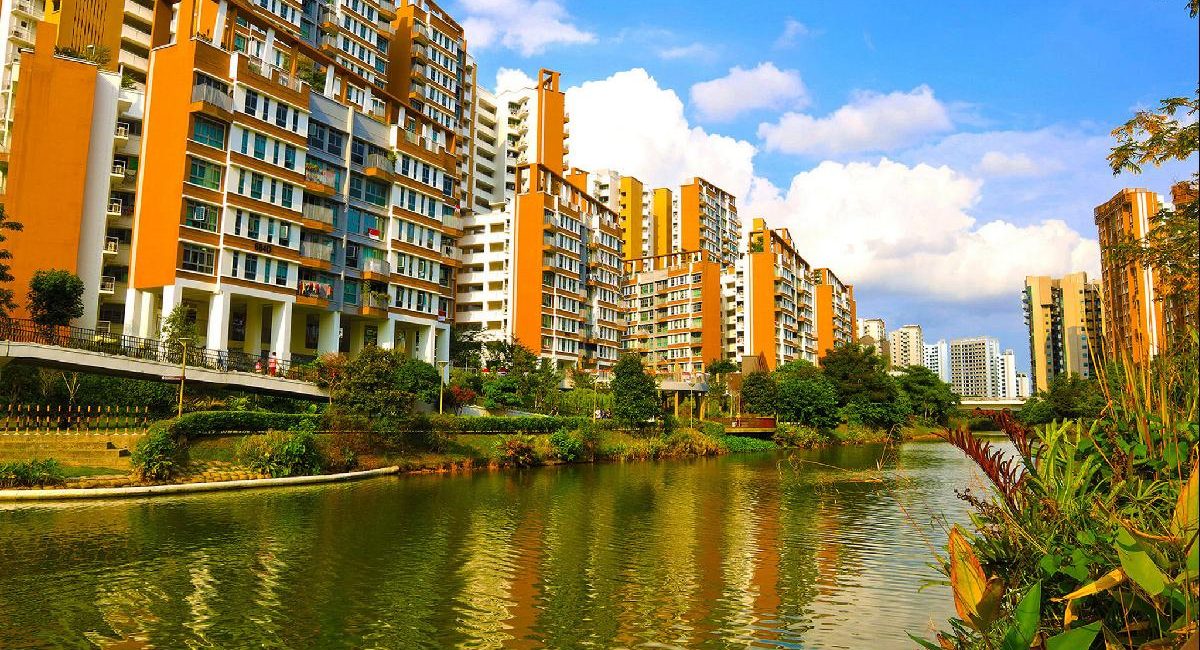
The Government Land Sales (GLS) Programme is one of the most important pillars of Singapore’s real estate ecosystem. Managed by the Urban Redevelopment Authority (URA) and Housing & Development Board (HDB), GLS ensures that land is released in a planned, transparent, and competitive manner.
Through GLS, developers gain access to land parcels that are designated for:
- Residential projects – including HDB flats and private condominiums.
- Commercial developments – such as retail malls, office towers, and business parks.
- Mixed-use projects – combining housing, retail, and lifestyle amenities to create integrated hubs.
This structured approach helps maintain a healthy supply-demand balance, preventing market overheating while ensuring long-term urban growth.
GLS 2025 Highlights
The 2025 GLS programme continues Singapore’s tradition of forward-looking land planning:
- Residential plots – Released for both HDB and private home developments to meet growing housing demand.
- Commercial sites – Allocated for retail, office spaces, and new business clusters to support Singapore’s role as a global financial hub.
- Mixed-use hubs – Designed to integrate housing, lifestyle, and retail, aligning with Singapore’s vision of live-work-play communities.
These releases will directly shape upcoming neighborhoods and influence housing affordability, infrastructure development, and future lifestyle trends.
Why GLS Attracts Investors
For developers and institutional investors, GLS remains one of the most secure and rewarding investment routes in Singapore:
- Prime Locations – Sites are often located in growth corridors or established districts with strong connectivity.
- Regulated & Secure Investments – Government tenders ensure transparency, reducing speculation risks.
- Steady Capital Appreciation – Land scarcity in Singapore makes GLS plots highly valuable over time.
- High Rental Yields – Demand from both residents and businesses drives consistent rental income potential.
This framework creates a level playing field where both established and new developers can compete fairly.
GLS & Private Market Synergy
GLS does not operate in isolation—it often sets the tone for the private property market. For example, just as the East Village strata portfolio deal reflected rising investor interest, GLS launches frequently uplift surrounding property values, creating growth corridors for future development.
When new GLS sites are awarded, they typically lead to:
- Upgraded infrastructure in nearby districts.
- Rising land and rental values in adjacent private properties.
- Stronger long-term investor confidence in the area.
This synergy makes GLS a catalyst for urban renewal and private sector growth.
GLS & Singapore’s Urban Strategy
Beyond property values, GLS is closely tied to Singapore’s long-term sustainability goals:
- Encouraging eco-friendly architecture in new developments.
- Supporting public transport-oriented planning with MRT connectivity.
- Building self-sufficient neighborhoods with green spaces, lifestyle amenities, and job opportunities.
This ensures that every GLS project contributes not just to housing needs, but also to the quality of life and sustainability of Singapore’s urban environment.
Conclusion
The GLS 2025 programme is more than a land release mechanism—it is a cornerstone of Singapore’s urban growth strategy. By carefully balancing housing demand, economic expansion, and sustainability, GLS provides opportunities for both developers and investors to secure long-term gains while contributing to national development.
For developers, GLS represents a trusted pathway to growth. For investors, it offers stability, capital appreciation, and attractive yields in one of the world’s most competitive real estate markets.