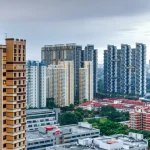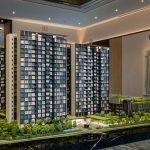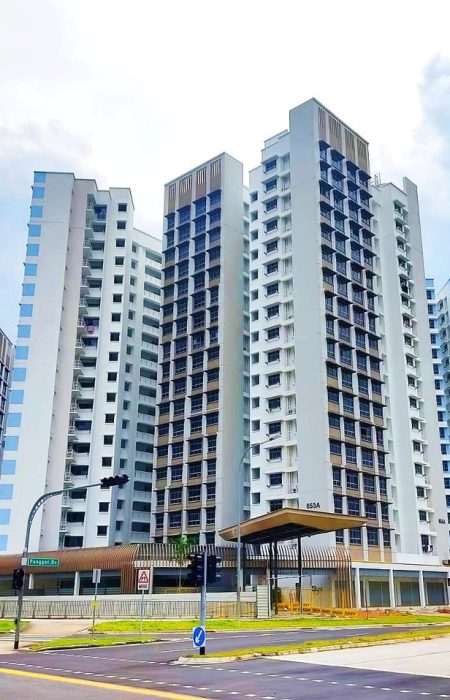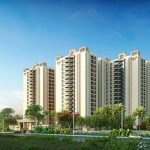

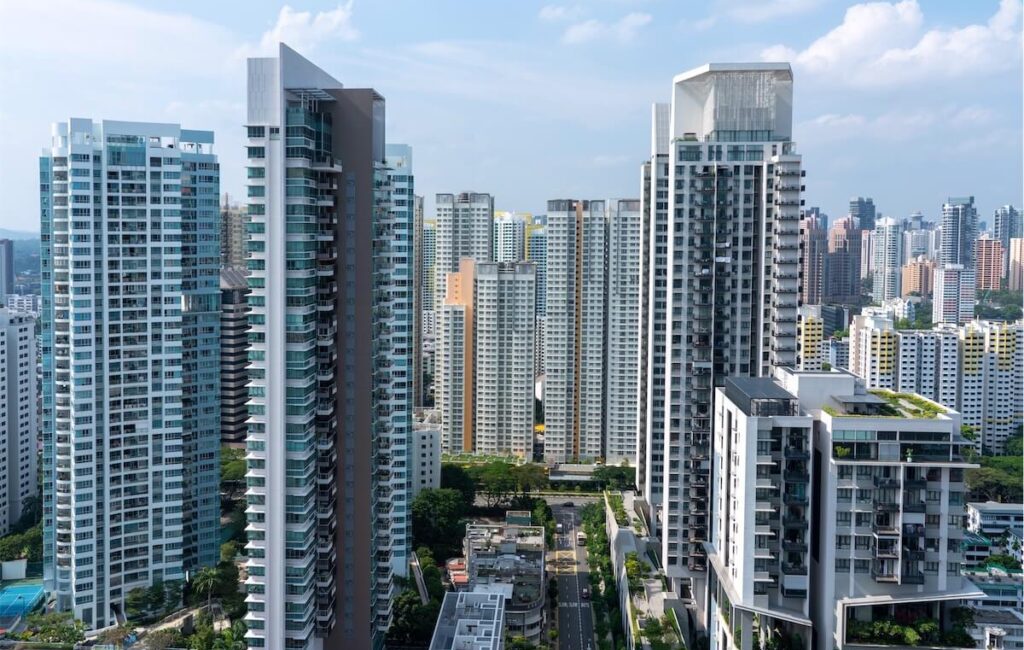
The APAC region’s public housing sector, particularly Singapore’s HDB market, continues to show remarkable resilience in 2025, according to Colliers. Despite economic uncertainties and global market fluctuations, demand for HDB flats remains strong. This stability is supported by government initiatives, new development launches, and urban redevelopment plans across key towns in Singapore.
HDB flats have long been a cornerstone of Singapore’s housing landscape, providing affordable and quality homes for citizens. In 2025, the market continues to benefit from a combination of policy support, infrastructural developments, and sustained buyer interest, ensuring that both new and resale HDB segments remain active and vibrant.
📈 Stable Demand Across the HDB Market
The HDB resale and new flat markets have remained steady, driven by several key factors:
- Government Incentives and Grants: The continued availability of CPF Housing Grants, Enhanced CPF Housing Grants, and other subsidies encourages first-time buyers and upgraders to enter the market. These incentives play a crucial role in keeping the HDB market accessible and appealing.
- Affordability Relative to Private Housing: Rising prices in the private residential sector have made HDB flats an increasingly attractive option for Singaporeans. Families and young couples are turning to public housing for both affordability and stability.
- Population Growth and Household Formation: Singapore continues to experience steady population growth and household formation, contributing to sustained demand for new HDB flats.
- Resilience in Resale Market: Mature towns such as Ang Mo Kio, Tampines, and Jurong East continue to see healthy resale activity, supported by established amenities, accessibility, and strong community networks.
🏘️ New HDB Development Sites Fuel Market Activity
Fresh development sites and BTO (Build-To-Order) launches are pivotal in supporting the market:
- New BTO Launches: Locations such as Tengah, Punggol, Sembawang, and Woodlands have seen strong registration numbers for recent BTO projects. Families and young buyers are particularly attracted to these new precincts for their modern layouts and family-friendly amenities.
- Executive Condominiums (ECs): EC projects provide an additional option for upwardly mobile buyers, bridging the gap between public housing and private condominiums. Recent EC launches have recorded high demand, reflecting confidence in the segment.
- Modern Amenities and Smart Designs: New HDB developments offer contemporary unit layouts, smart home features, and integrated facilities such as childcare centers, gyms, and communal gardens, making them more attractive to buyers.
- Proximity to Transport and Schools: Developments near MRT stations, bus interchanges, and reputable schools are particularly sought after, further boosting the appeal of new HDB launches.
🔍 Regional Insights and Market Trends
Mature Towns: Resale demand remains strong in towns like Ang Mo Kio, Bishan, Tampines, and Jurong East. These areas benefit from centrality, established infrastructure, and access to schools, shopping centers, and healthcare facilities.
Non-Mature Towns: Towns such as Tengah, Sembawang, and Punggol continue to attract young families and first-time buyers seeking affordability and spacious units. These areas are increasingly popular due to new infrastructure, green spaces, and community developments.
Infrastructure Developments: Upcoming MRT lines, road expansions, and commercial hubs are boosting property demand in both mature and non-mature towns. Improved connectivity makes previously less accessible locations more desirable, enhancing long-term investment potential.
Key Factors Supporting Market Resilience
Several factors underpin the continued resilience of the HDB market:
- Policy Stability: Government housing policies provide predictability for buyers, fostering confidence in long-term property ownership.
- Sustained Buyer Interest: Both first-time homebuyers and upgraders continue to view HDB flats as a viable and stable housing option.
- Availability of New Development Sites: Continuous BTO and EC launches maintain market activity and offer diverse housing options.
- Investment Appeal: HDB flats remain an attractive segment for long-term property investment, particularly in mature towns with established communities.
- Urban Planning and Smart Towns: Developments in Tengah and Punggol integrate sustainability, smart technologies, and community-focused planning, enhancing livability.
Market Outlook for the Rest of 2025
Colliers expects the HDB market to maintain stability and steady growth throughout the remainder of 2025:
- Demand for New Flats: Upcoming BTO and EC launches will continue to attract strong registration numbers.
- Resale Market Stability: Mature town resale transactions are expected to remain steady, supported by established amenities and limited supply.
- Balanced Growth: Non-mature towns will likely see continued interest from young families, first-time buyers, and investors, thanks to affordability and future infrastructure projects.
- Government Support: Ongoing housing policies, including subsidies and grants, will continue to support market resilience.
The combination of policy support, infrastructural development, and buyer confidence indicates that Singapore’s HDB market will continue to be a reliable and resilient segment in the APAC region.
Tips for Buyers
- Act Quickly on New Launches: Popular BTO and EC projects often experience high registration numbers. Early application increases the chance of securing a unit.
- Evaluate Location: Proximity to MRT stations, schools, and commercial centers adds both convenience and long-term value.
- Consider Amenities and Layout: Modern units with family-friendly designs, smart features, and recreational facilities enhance livability.
- Monitor Market Trends: Keep an eye on government policies, upcoming BTO launches, and resale market activity to make informed decisions.
- Budget Wisely: Factor in grants, CPF usage, and monthly mortgage obligations to ensure sustainable home ownership.