
The Government Land Sales (GLS) Programme remains one of the most significant drivers of Singapore’s property market, shaping future housing supply, investment opportunities, and urban growth. As we enter 2025, the GLS programme continues to evolve strategically to balance market demand and affordability while supporting sustainable urban development.
This year’s GLS list features a wide mix of residential, commercial, and mixed-use sites, strategically located to meet future housing needs and enhance community living across the island. Whether you’re a property investor, developer, or homebuyer, understanding the 2025 GLS trends offers valuable insights into the future direction of Singapore’s real estate market.
1. What is the Government Land Sales (GLS) Programme?
The GLS Programme is a key initiative managed by Singapore’s Urban Redevelopment Authority (URA) and Ministry of National Development (MND). It releases state land for private sector development through competitive bidding, ensuring fair market pricing and efficient land use.
There are two main types of GLS sites:
- Confirmed List Sites: Land parcels guaranteed for sale within the given half-year period.
- Reserve List Sites: Released only when developers express strong interest with a minimum acceptable bid.
Through GLS, the government ensures that Singapore’s land is strategically allocated for sustainable growth, addressing both public and private housing needs.
2. Overview of the 2025 GLS Programme
The GLS Programme for 2025 continues to reflect the government’s commitment to ensuring a healthy housing supply.
Key Highlights for 2025:
- 16 sites released under the Confirmed List and 13 sites on the Reserve List.
- Total potential yield: over 10,800 private residential units and 250,000 sqm of commercial space.
- Increased supply in suburban areas to enhance regional development.
- Focus on mixed-use and transit-oriented developments (TODs) to promote accessibility.
This year’s programme emphasizes decentralization — distributing residential and business hubs beyond the city core into regions like the West, Northeast, and East.
3. Prominent GLS Sites in 2025
Here are some of the most notable GLS sites that have captured developer and investor attention in 2025:
1. Jurong Lake District (JLD) Residential Site
- A major mixed-use development in Singapore’s second CBD.
- Integrated with retail, office, and leisure facilities.
- Expected to yield around 1,000 private units.
- Attractive for long-term investors due to strong transformation potential.
2. Paya Lebar Central Commercial Site
- Strategically positioned in the East, ideal for new business clusters.
- Mixed commercial and residential use.
- Strong connectivity via MRT Interchange (Paya Lebar Circle & East-West Line).
3. Lentor Hills Parcel (Phase 2)
- Located in the growing Lentor residential enclave.
- Close to Lentor MRT and future amenities.
- Expected average launch price: $2,100–$2,400 psf.
- Popular among family buyers seeking green surroundings.
4. Tampines North Avenue 11 Site
- Large mixed-use site with potential for a community mall and over 900 homes.
- Conveniently connected to the Cross Island Line (Tampines North MRT).
- Expected to be a vibrant family-friendly hub.
5. Marina South Mixed-Use Parcel
- Prime site in the Core Central Region (CCR).
- Iconic waterfront location offering panoramic views.
- Designed for luxury living, with sustainability at its core.
These sites reflect the government’s balanced approach — developing both heartland communities and central business hubs for economic resilience.
4. Market Response and Developer Sentiment
Developers have shown cautious optimism toward the 2025 GLS programme.
While land costs remain high, improved economic outlook and strong housing demand are encouraging active participation.
- Bid participation: Average of 4–6 bids per site in early 2025 tenders.
- Top interest: Lentor, Jurong, and Tampines sites.
- Foreign developers: Increasing participation, especially from China, Hong Kong, and Malaysia-based firms.
Developers are particularly drawn to mixed-use plots, which offer flexibility in design and long-term profitability through integrated community spaces.
5. How GLS Impacts Singapore’s Property Market
The GLS Programme has a direct influence on property prices, housing availability, and regional growth.
Key Impacts Include:
- Balanced Supply: Prevents property shortages that could inflate prices.
- Affordability: Maintains stable price growth for both HDB and private housing.
- Urban Renewal: Revitalizes older estates and builds new self-sustaining communities.
- Job Creation: Promotes business and retail expansion within new residential zones.
By regulating land supply, the GLS Programme ensures Singapore’s real estate market remains stable, predictable, and investor-friendly.
6. Sustainability and Green Urban Planning
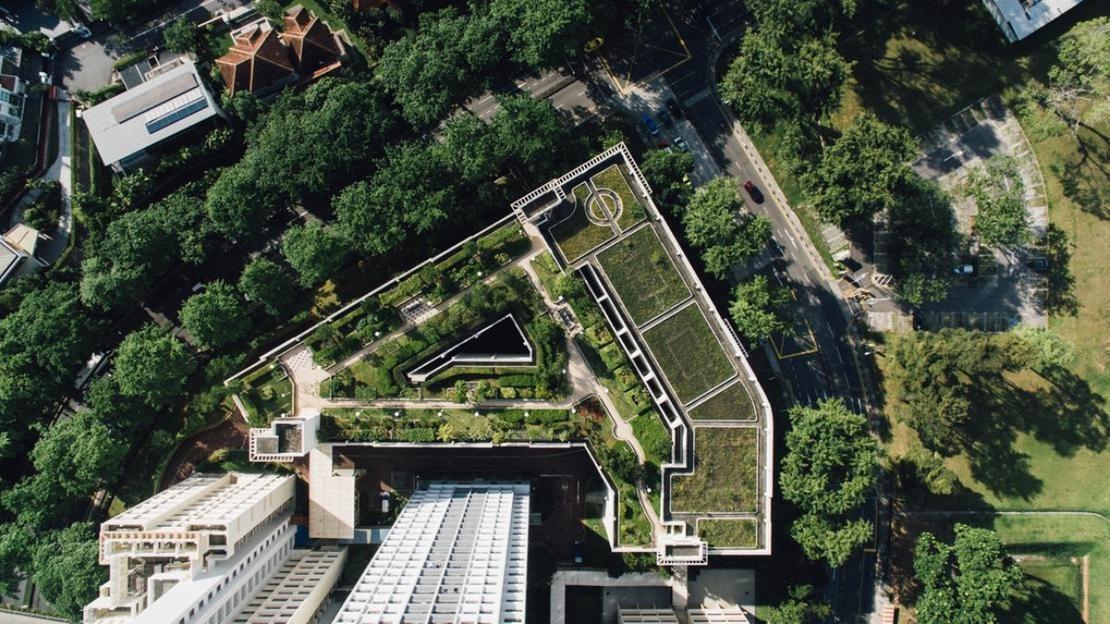
In line with Singapore Green Plan 2030, the 2025 GLS sites emphasize sustainability and smart urban design.
Key sustainable planning features include:
- Integration of green corridors and biodiversity zones.
- Transit-oriented planning, reducing car dependency.
- Solar-ready rooftops and energy-efficient infrastructure.
- Enhanced walkability and public transport connectivity.
These initiatives reflect Singapore’s long-term commitment to sustainable, liveable, and inclusive urban environments.
7. Price Outlook for GLS-Driven Developments
Projects derived from 2025 GLS sites are expected to launch at competitive and stable price points:
- OCR Projects: $1,500 – $1,900 psf
- RCR Projects: $2,000 – $2,600 psf
- CCR Projects: $2,900 – $3,800 psf
Despite modest growth, the long-term potential remains strong as these developments align with infrastructural expansion and new MRT networks.
8. Investment Opportunities in GLS Developments
For property investors, GLS projects present high-value investment prospects due to their strategic locations and long-term appreciation potential.
Why Investors Should Consider GLS Projects:
- Located in emerging growth zones (Jurong, Lentor, Tengah).
- Government-backed urban planning ensures strong rental demand.
- Limited land supply guarantees sustained property value.
- Attractive to both locals and expatriates due to integrated community living.
These developments often enjoy first-mover advantages, making them key targets for forward-thinking investors.
9. Buyer Tips for Watching GLS Sites
✅ Monitor URA Announcements:
Regularly check URA’s official site for new tender releases and updates.
✅ Identify Growth Regions:
Focus on new regional hubs like Tengah, Jurong, and Punggol for affordable entry points.
✅ Understand Zoning and Use:
Each GLS site has designated use (residential, mixed-use, or commercial) — choose based on your investment goals.
✅ Watch for Nearby Infrastructure:
Proximity to MRT lines, schools, and malls enhances long-term appreciation.
✅ Consider Developer Reputation:
Projects by reputable developers often achieve stronger resale and rental value.
10. Future of GLS Beyond 2025
As Singapore’s population and economy grow, GLS will continue to play a central role in shaping urban expansion.
Future programmes will likely focus on:
- Green redevelopment of older estates.
- Smart housing innovations integrated with technology.
- Greater regional diversity, ensuring balanced development across all zones.
The 2025 GLS framework sets the stage for a sustainable, affordable, and forward-looking housing ecosystem for decades to come.
Conclusion
The Government Land Sales (GLS) Programme 2025 remains the cornerstone of Singapore’s property strategy — ensuring that land use is optimized, housing supply remains sufficient, and urban growth stays balanced.

Other Articles
New Property Launches Singapore 2025: Trends, Prices & Buyer Guide