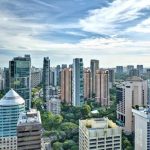
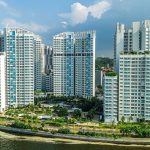


Singapore’s property market in 2025 is entering a phase of cautious optimism. Despite global economic uncertainties, rising construction costs, and shifting buyer sentiment, the city-state’s real estate sector continues to remain one of the most resilient in Asia. With a balanced mix of public and private housing developments, consistent government policies, and sustainable land use planning, Singapore’s property market is poised for steady growth through 2025 and beyond.
This article explores the latest property market trends in Singapore, covering housing price movements, supply-demand dynamics, upcoming projects, and government initiatives influencing the real estate landscape.
1. Overall Market Performance
The first half of 2025 shows moderate but stable growth in property prices. According to market analysts, private home prices have increased by around 3–5% compared to 2024, driven by demand from both local upgraders and foreign investors. The government’s cooling measures, implemented in previous years, have successfully curbed excessive speculation while maintaining market stability.
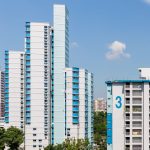
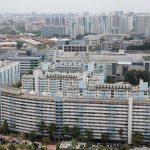
On the other hand, HDB resale prices have stabilized after years of sharp increases, offering more affordability to first-time buyers. With higher grants and improved housing supply, many Singaporeans are turning back to HDB flats as a practical and long-term investment option.
2. Private Residential Trends
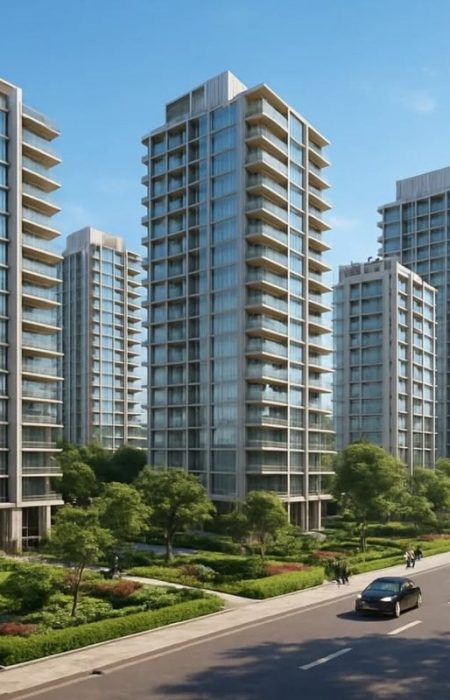
Private condominium projects remain in high demand, especially in the Outside Central Region (OCR) and Rest of Central Region (RCR). Buyers are increasingly prioritizing:
- Affordability over luxury, focusing on mid-tier developments.
- Connectivity, with preference for properties near MRT lines and key business hubs.
- Eco-friendly designs, aligning with Singapore’s sustainability goals.
Popular areas in 2025 include Tampines North, Lentor Hills, Jurong East, and Pasir Ris, where new launches continue to attract healthy buyer interest.
Developers have adjusted their pricing strategies to appeal to genuine homebuyers rather than speculative investors. As a result, projects offering competitive per-square-foot (psf) rates are witnessing quicker sales momentum.
3. HDB Market and Public Housing Updates
In 2025, the HDB resale market continues to show resilience. The government’s focus on affordable homeownership has led to improved grants and schemes that help young families purchase resale flats in mature estates.
Notable trends include:
- More million-dollar flats being transacted in prime areas like Queenstown and Toa Payoh.
- Hybrid housing models such as the Prime Location Public Housing (PLH) scheme maintaining balanced price growth.
- Increased supply of Build-To-Order (BTO) projects, reducing waiting times for new buyers.
This year, the Housing and Development Board has also rolled out digital tools to enhance transparency and provide buyers with real-time data on transactions, making the resale process smoother and more efficient.
4. Government Land Sales (GLS) and Supply Pipeline
The GLS Programme continues to play a key role in maintaining balanced supply in Singapore’s property market. The 2025 GLS list includes several attractive sites in strategic locations such as Marina South, Jurong Lake District, and Lentor Central.
By releasing land steadily, the government ensures that the private housing pipeline remains robust without triggering oversupply. Developers, while more selective in their bids, are still showing strong interest in well-located plots with long-term growth potential.
This structured approach underpins Singapore’s sustainable urban development and keeps the property market aligned with national growth objectives.
5. Foreign Investment and Rental Demand
Foreign buyers, particularly from China, India, Malaysia, and Indonesia, remain active in Singapore’s property market despite higher Additional Buyer’s Stamp Duty (ABSD) rates. The country’s political stability, transparent legal system, and high rental yields continue to attract global investors seeking safe and long-term returns.
Meanwhile, rental prices are expected to stabilize in 2025 following the record highs of 2023–2024. As new housing projects are completed, rental supply will gradually catch up with demand, leading to more balanced market conditions.
Key rental hotspots include Tanjong Pagar, Woodlands, Tampines, and Clementi, where connectivity and amenities remain top priorities for tenants.
6. Sustainability and Smart Living Trends
Sustainability remains a defining theme for Singapore’s real estate development in 2025. The government’s Green Plan 2030 continues to influence both public and private projects, promoting eco-friendly designs and smart technologies.
Developers are integrating features such as:
- Solar panels and green rooftops.
- Smart home systems that reduce energy consumption.
- Recycled building materials for environmentally conscious construction.
These initiatives not only lower utility costs for residents but also increase property value over time, making sustainability an essential part of future real estate strategies.
7. Buyer Sentiment and Market Forecast
Despite global economic uncertainties, local buyer confidence remains steady in 2025. Singapore’s strong employment rate, rising household incomes, and prudent financial regulations contribute to sustained property demand.
Analysts predict:
- Stable price growth between 3–5% for private homes.
- HDB resale prices to hold steady with mild appreciation.
- Higher transaction volumes in suburban and fringe regions.
Buyers are also displaying a more informed and long-term mindset, focusing on properties with strategic locations, good amenities, and resale potential.
8. Key Takeaways for Buyers and Investors
- Timing matters: Monitor GLS tenders and new project launches for better entry opportunities.
- Focus on fundamentals: Proximity to transport nodes, schools, and employment areas will remain key value drivers.
- Plan for sustainability: Properties with green certifications and smart features will command stronger demand.
- Diversify investments: Consider both residential and mixed-use developments for balanced returns.
By staying informed about these market movements, both homeowners and investors can make strategic decisions aligned with Singapore’s evolving property ecosystem.
9. Conclusion
The Singapore property market in 2025 demonstrates resilience, stability, and adaptability. Supported by consistent government policies, sustainable urban planning, and growing buyer sophistication, the outlook remains positive across both private and public housing sectors.
With a focus on long-term growth and responsible development, Singapore continues to set a benchmark for global property markets. Whether you are a first-time buyer, seasoned investor, or developer, understanding these trends will help you make smarter and more profitable property decisions in 2025 and beyond.