
East Side & GLS: A Perfect Match for Growth
The East Coast of Singapore, particularly District 15, has long been celebrated for its lifestyle appeal, sea views, and vibrant food culture. But beyond lifestyle, the East has also become a key focus in Government Land Sales (GLS).
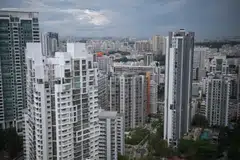
With its strong demand for housing, excellent connectivity via the Thomson-East Coast Line (TEL), and limited freehold supply, the East side is seeing more GLS parcels being introduced—fueling both developer interest and buyer enthusiasm.
So, is the East really the best side when it comes to GLS-driven growth? Let’s explore.
1. Why the East Coast Attracts GLS Attention
The Urban Redevelopment Authority (URA) identifies sites for GLS based on demand and urban planning needs. The East has several advantages:
- Lifestyle Appeal: Proximity to East Coast Park, Katong, and Changi Airport.
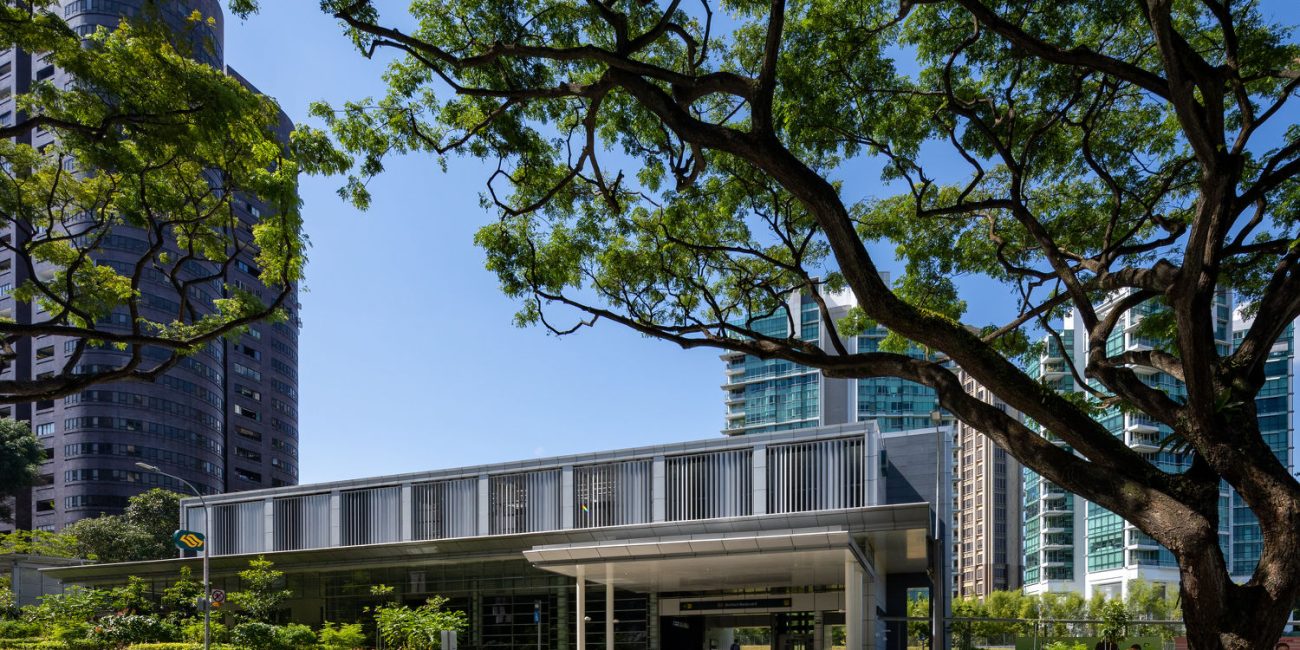
- Connectivity Boost: TEL MRT line improving accessibility.
- Strong Buyer Demand: Families, expats, and investors love District 15.
- Balanced Growth Strategy: Adding new homes without overcongesting the CBD.
This makes the East a strategic choice for GLS launches, ensuring both demand and long-term growth.
2. Recent GLS Activity in the East
In recent years, GLS has unlocked multiple opportunities in the East:
- Meyer Road & Marine Parade parcels attracting strong developer interest.
- Tanjong Katong GLS site, with plans for mixed-use residential and retail.
- Bedok & Bayshore plots, supporting new housing clusters along TEL.
These GLS projects ensure a steady supply of private homes while reinforcing the East’s reputation as a lifestyle-driven residential hub.
3. District 15: A Hotspot for GLS Growth
District 15 (Katong, Joo Chiat, East Coast) is one of the most coveted residential districts in Singapore.
- Prime location with sea views and heritage charm.
- Luxury condos and boutique apartments already in high demand.
- Limited land supply ensures new GLS sites sell quickly.
- Rental appeal with strong expat demand due to proximity to CBD and Changi.
GLS parcels here typically spark competitive bidding wars among developers, reflecting both scarcity and desirability.
4. GLS vs En Bloc in the East
While en bloc sales have historically added new developments to District 15, GLS now plays an even stronger role:
- Transparency: URA’s bidding process ensures fair competition.
- Stability: Government controls land supply to prevent overheating.
- Diversity: GLS sites vary from mid-size plots to larger mixed-use hubs.
This makes GLS a more predictable pathway for developers compared to collective sales.
5. Opportunities for Homebuyers & Investors
For buyers and investors, GLS-driven projects in the East bring several benefits:
- New Housing Choices: Fresh launches in prime locations.
- Capital Growth: Properties in District 15 often see higher appreciation.
- Rental Yields: Expats prefer East Coast living for lifestyle and proximity to international schools.
- Variety of Units: From family-friendly 3-bedroom units to luxury penthouses.
This means that whether you’re a first-time buyer, upgrader, or investor, GLS projects in the East offer strong value.
6. The Bigger Picture: GLS in Singapore’s East
Beyond District 15, the government is also shaping growth in:
- Bayshore Precinct: A new waterfront residential town supported by GLS.
- Bedok & Tanah Merah: Strengthening connectivity and decentralisation.
- Changi Business Hub: Supporting airport expansion and new job clusters.
Each GLS parcel in the East feeds into Singapore’s long-term urban planning strategy, balancing housing with lifestyle and jobs.
Conclusion
The East has always been a favourite for lifestyle seekers, but with Government Land Sales (GLS) driving new developments, it has now cemented itself as a strategic growth corridor.
From District 15’s luxury appeal to upcoming residential hubs in Bayshore and Bedok, GLS is ensuring that the East continues to thrive with new housing supply, investment opportunities, and long-term value growth.

Other Articles