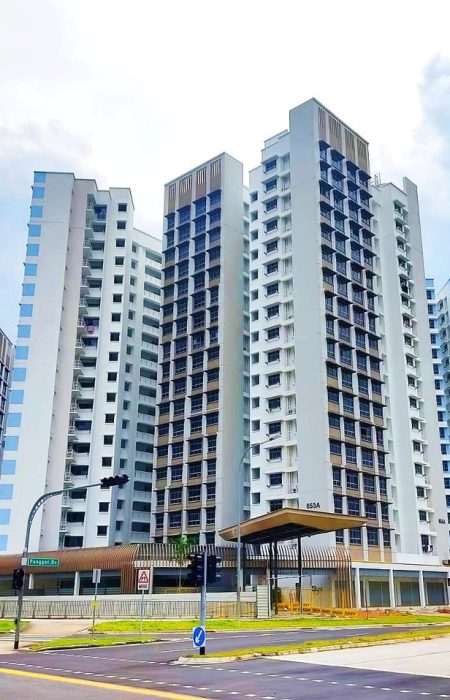

HDB flats continue to play a major role in Singapore’s housing market, serving nearly 80% of the population. In 2025, the HDB market remains active, resilient, and strongly supported by genuine homeowner demand. Whether you're a first-time buyer, upgrading family, investor, or seller, understanding the latest trends is crucial for making informed decisions. This 880+ word guide covers price movements, resale demand, BTO supply, policy changes, buyer behaviour, and future expectations for HDB flats in 2025.
1. Strong Resale Demand Continues in 2025
The HDB resale market in 2025 is expected to remain strong due to several contributing factors:
a. More Flats Reaching MOP
A significant number of BTO projects launched between 2015–2018 are reaching their Minimum Occupation Period (MOP). Once this happens, units enter the resale market and create mobility among flat owners—many choose to sell and upgrade to private properties or larger HDB flats.
b. Shorter Waiting Time for Buyers
Newly married couples and young families prefer move-in-ready flats instead of waiting 4–6 years for BTO completion. This shift drives more buyers to the resale market.
c. Location & Amenities
HDB towns like Queenstown, Toa Payoh, Bishan, Tampines, and Kallang continue to see strong resale activity due to their excellent connectivity, schools, and MRT access.
Because of these factors, resale prices remain resilient in 2025, although analysts expect price growth to stabilise (not spike as sharply as 2021–2023).
2. BTO Supply Expanding, Focus on Prime and Suburban Towns
To meet rising demand, the government is increasing BTO supply in both mature and non-mature estates. In 2025, some of the key upcoming BTO zones include:
- Tengah – Singapore’s “Forest Town” with new eco-friendly projects
- Tampines North – strong demand due to good amenities
- Woodlands – future development linked to transit expansion
- Queenstown – under the Prime Location Public Housing (PLH) model
- Kallang/Whampoa – near upcoming MRT lines
PLH Model Shaping Buyer Behaviour
Prime Location Public Housing continues to influence demand. Key features:
- Located in central areas
- Longer Minimum Occupation Period
- Subsidy clawback if selling early
- Strict eligibility conditions
These rules help keep central areas affordable and prevent speculative buying.
3. Price Trends for HDB Resale Flats in 2025
HDB resale prices have grown steadily over the past few years, and 2025 reflects a more moderate, balanced trend. Expected price patterns:
- Overall resale price increase: 2%–5% (moderate growth)
- Million-dollar flats: Still rising but at a slower pace
- Larger flats: 5-room and Executive Units remain highly desirable
- Younger flats (<10 years old): Command a premium due to long remaining lease
Million-dollar transactions continue, particularly in:
- Queenstown
- Bukit Merah
- Bishan
- Toa Payoh
- Kallang/Whampoa
However, such transactions still form a small percentage of the overall market.
4. Younger Buyers Prefer Convenience, Connectivity & Flexibility
Lifestyle changes play a major role in shaping preferences:
a. Connectivity Is Key
Flats near MRT lines, especially stations on the Thomson-East Coast Line (TEL), continue to be in high demand.
b. Work-From-Home Influence
Buyers prefer:
- Larger layouts
- Extra study rooms
- Balcony spaces
- Flexible floor plans
c. Health & Wellness Features
Walkable towns, parks, and recreational amenities boost the appeal of HDB estates.
5. Older HDB Flats: Interest Still Strong but Lease Awareness Rising
Flats older than 40–50 years still attract buyers, especially due to:
- Larger layouts
- Central locations
- Mature neighbourhood amenities
However, buyers are more cautious about lease decay.
Demand remains stable when:
- Block has upcoming HIP (Home Improvement Programme)
- Town is undergoing renewal
- Location offers excellent connectivity
HDB’s ongoing upgrading projects also increase the attractiveness of older flats.
6. Rental Market for HDB Flats Strengthens in 2025
HDB rentals remain strong due to:
- Rising foreign workforce
- Students returning to Singapore post-pandemic
- Young professionals preferring location over ownership
- Companies offering employee housing allowances
1-room and 2-room flats offer high rental yields because of affordability and accessibility.
Suburban areas like Jurong West, Woodlands, and Yishun are witnessing growing rental demand, especially from young tenants and expats working in decentralised business districts.
7. Digital Tools & Smart Features Transforming HDB Living
The adoption of PropTech is changing the HDB landscape:
- Virtual flat viewings
- Online resale value estimators
- Smart locks and surveillance systems
- Energy-efficient home designs
- Digital IDs for residents
Many homeowners install smart systems even in older flats, upgrading lifestyle convenience and long-term savings.
8. Government Policies Stabilising the Market
HDB policies continue to support a stable market:
- Cooling measures prevent price spikes
- Mortgage Servicing Ratio (MSR) ensures buyers stay within loan limits
- Ethnic Integration Policy (EIP) maintains social balance
- PLH restrictions protect affordability in central areas
These help maintain long-term sustainability and prevent speculative buying.
9. Outlook for HDB Buyers, Sellers & Investors in 2025
For Buyers
- 2025 offers stable prices and plenty of choices
- Consider proximity to MRTs, amenities, and future development
- Young estates like Tengah and Tampines North offer strong future appeal
For Sellers
- Demand remains high for well-renovated, well-located flats
- Flats near MRT stations can command premiums
- 4-room and 5-room units are most liquid
For Investors (Rental)
- Smaller flats offer better rental yields
- Suburban areas benefit from rising tenant demand

Other Articles

New Property Launches Singapore 2025: Trends, Hotspots & Buyer Guide
Singapore Property Market Trends 2025: What Buyers & Investors Must Know