

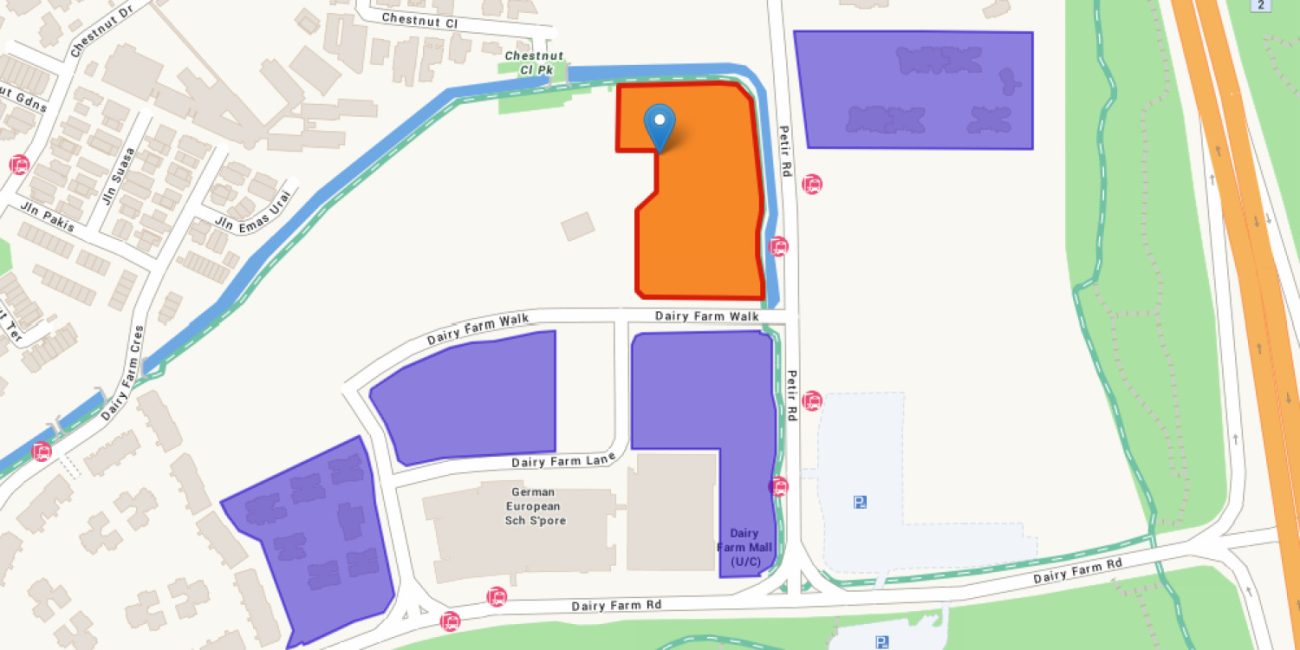
Singapore’s Government Land Sales (GLS) Programme remains one of the most important mechanisms shaping the country’s housing supply, private property prices, and future urban development. Every year, the Ministry of National Development (MND) releases land sites through the GLS programme to ensure a stable and sustainable supply of residential, commercial, and mixed-use land.
In 2025, the GLS Programme continues to play a crucial role in balancing housing demand, supporting sustainable population growth, and stabilizing property prices. This comprehensive blog covers everything you need to know—Confirmed List sites, Reserve List sites, bidding trends, developer behaviour, future supply pipeline, and market impact.
1. What is the GLS Programme and Why It Matters
The GLS Programme releases government-owned land for developers to bid on through public tenders. It influences Singapore’s property market in several ways:
- Controls private housing supply
- Prevents speculative price spikes
- Ensures long-term stability
- Encourages balanced urban development
- Shapes future residential neighbourhoods
Strong GLS planning ensures that Singapore continues to offer quality housing while maintaining land efficiency.
2. Confirmed List vs Reserve List: Understanding the Difference
The GLS Programme is divided into two categories:
✔ Confirmed List
Sites that will definitely be launched for tender within the scheduled half-year period.
These usually meet high demand and immediate market needs.
✔ Reserve List
Sites that will only be released when a developer submits a minimum acceptable bid.
These offer flexibility and help balance supply with market conditions.
In 2025, the government has maintained a healthy balance between both lists to offer developers flexibility while ensuring sufficient supply.
3. Key GLS Sites Released in 2025
The 2025 GLS slate includes a mix of:
1️⃣ Residential Sites
Located across multiple regions—suburban (OCR), city-fringe (RCR), and prime (CCR). These sites will add thousands of new private homes to the supply pipeline.
2️⃣ Mixed-Use Sites
Where residential units integrate with retail or office components. These are typically located near MRT stations or upcoming regional centres.
3️⃣ Commercial Sites
Boosting office space in key business districts, supporting economic growth.
4️⃣ EC (Executive Condominium) Sites
EC sites remain extremely popular due to rising demand from middle-income families.
These new sites continue to support housing affordability and future town planning initiatives.
4. Strong Developer Interest in 2025 GLS
Despite rising construction costs and global interest rate changes, developers remain confident about the long-term stability of Singapore’s property market. Factors driving interest include:
- Strong local demand
- Stable economic outlook
- Limited freehold supply
- Healthy new launch performance
- High land efficiency
Many 2025 GLS tenders attract competitive bidding, especially for sites in city-fringe districts and areas with upcoming transformation plans.
5. Price Trends: Higher Land Costs but Controlled Growth
Land prices remain steady and controlled, thanks to government supply measures. Key pricing observations:
✔ OCR (Suburban) Land Costs
Remain moderate due to developer focus on affordability for HDB upgraders.
✔ RCR (City-Fringe) Land Costs
Slightly rising due to stronger buyer demand and limited land supply.
✔ CCR (Prime Districts) Land Costs
Developers remain selective, preferring sites with strong upside potential.
Although land bids are increasing at a moderate pace, developers continue to maintain discipline to avoid overpaying.
6. Impact of GLS on New Launch Prices
New launch condo prices are directly affected by GLS land costs. When land prices rise, new launch projects may be priced higher. However, the government uses GLS to stabilise the market by:
- Increasing supply in high-demand areas
- Ensuring competitive bidding
- Preventing excessive price surges
Thus, GLS helps maintain a sustainable price trajectory for future new launches.
7. GLS and the Future Housing Pipeline
The 2025 GLS Programme ensures a forward-looking housing pipeline for the next 3–5 years. Key impacts include:
✔ More Affordable Housing Options
Especially in suburban regions where demand from HDB upgraders remains high.
✔ Shorter Price Spikes
Steady supply prevents sudden jumps in private home prices.
✔ Enhanced Urban Transformation Projects
GLS sites support major developments like:
- Jurong Lake District
- Woodlands Regional Centre
- Greater Southern Waterfront
- Punggol Digital District
New GLS sites help shape Singapore’s next generation of residential hubs.
8. Executive Condominium (EC) Sites: Rising Demand From Families
EC GLS sites receive huge interest from developers because:
- ECs are highly affordable
- They attract strong demand from middle-income families
- They offer hybrid public-private housing benefits
- Resale value is strong after the Minimum Occupation Period (MOP)
With more families aiming for spacious and affordable private housing, EC sites will continue to be critical in upcoming GLS cycles.
9. Buyer & Investor Behaviour Influenced by GLS Announcements
GLS releases influence market behaviour in several ways:
✔ Buyers watch upcoming sites
To predict future new launch prices and project supply.
✔ Investors assess neighbourhood growth
Areas with frequent GLS releases often see strong long-term appreciation.
✔ Developers time their new launches
To align with market conditions and upcoming supply.
GLS acts as a roadmap for future housing demand and pricing.
10. Outlook for Singapore GLS in 2025–2026
The outlook remains strong and stable. Analysts expect:
- Steady land supply
- Competitive bidding
- Balanced price growth
- More mixed-use developments
- Continued focus on suburban and city-fringe housing
With population growth and evolving housing needs, GLS will remain central to Singapore’s property stability.
Conclusion
The Government Land Sales Programme is one of Singapore’s most powerful tools for shaping housing supply, controlling prices, and guiding future urban development. In 2025, the GLS Programme continues to deliver a balanced mix of residential, EC, commercial, and mixed-use sites, ensuring stability for both developers and buyers.

Other Articles
Singapore HDB Flats 2025 | Resale Market, BTO Trends & Buyer Guide