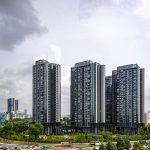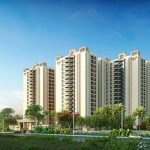
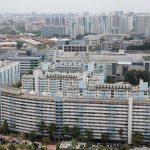

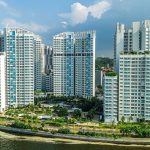

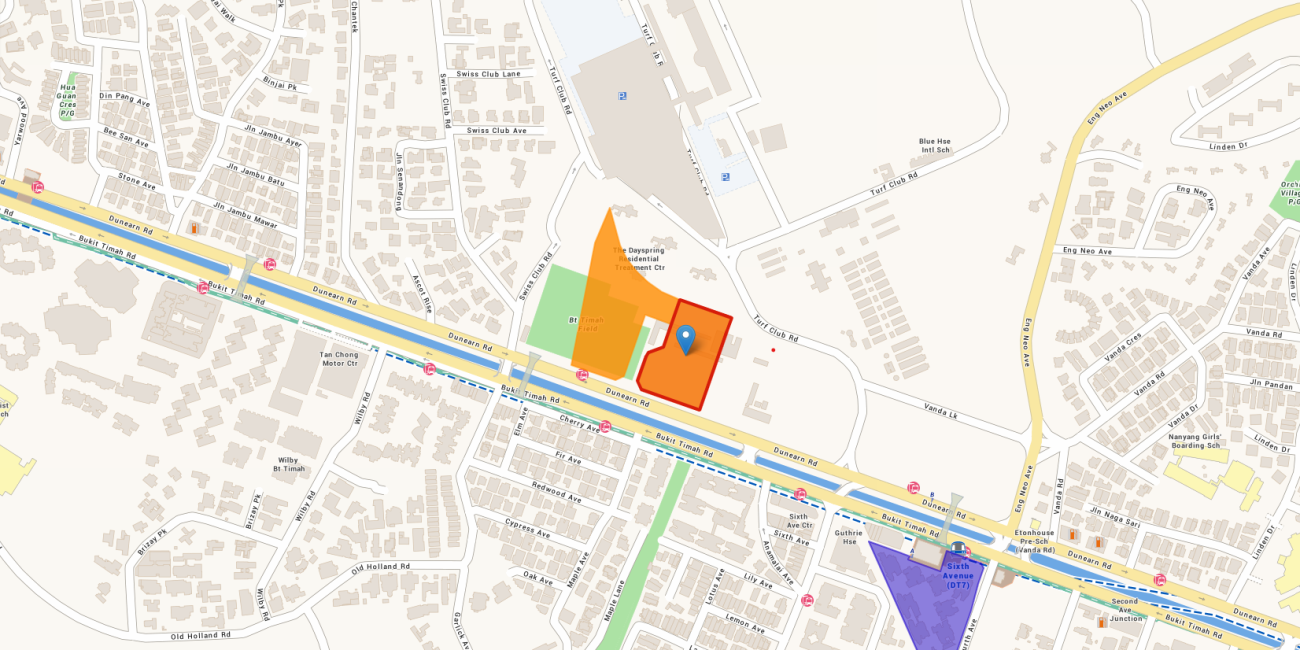
Singapore’s Government Land Sales (GLS) programme continues to play a pivotal role in shaping the city-state’s property landscape. Through carefully planned GLS sites, the government manages land supply to meet housing demand, support commercial growth, and maintain a balanced property market. In 2025, the GLS programme has introduced several high-profile sites across residential, commercial, and mixed-use categories, attracting significant interest from developers and investors.
The GLS programme, managed by the Urban Redevelopment Authority (URA) and Housing & Development Board (HDB), provides a structured framework for land allocation. This ensures that the supply of land aligns with Singapore’s long-term urban planning and economic development goals.
📍 Overview of GLS in 2025
GLS sites in 2025 have seen a mix of residential, executive condominium (EC), and commercial parcels offered under both the Confirmed List and the Reserve List.
- Confirmed List: Sites that are immediately available for tender and expected to launch soon.
- Reserve List: Sites reserved for future release, providing developers with flexibility to plan ahead.
Key Objectives of GLS 2025:
- Ensure Adequate Housing Supply: Introducing new residential plots to meet projected demand for public and private housing.
- Encourage Private Sector Participation: Attract developers to contribute to Singapore’s urban landscape through innovative and quality projects.
- Promote Balanced Development: Integrate residential, commercial, and community spaces for sustainable urban living.
- Support Market Stability: Carefully calibrate land supply to avoid oversupply, ensuring a stable property market.
🏡 Residential GLS Sites
Residential GLS sites remain the most active and closely watched segment. In 2025, several prime residential plots have been released:
- Bedok Rise GLS: The last plot near Tanah Merah MRT Station, ideal for condominiums targeting both families and young professionals.
- Chencharu Close GLS: Achieved a top bid of S$1.01 billion, reflecting strong investor confidence in high-demand suburban areas.
- Sembawang EC Plot: Received the highest bid from Oriental Pacific, signaling robust interest in executive condominium developments.
These plots are strategically located to leverage transport accessibility, proximity to schools, and local amenities. Residential GLS sites are especially attractive to developers seeking mid- to high-density projects with strong rental and resale potential.
🏢 Commercial and Mixed-Use GLS Sites
While residential plots dominate, commercial and mixed-use GLS sites have also garnered attention. These sites aim to:
- Provide spaces for offices, retail outlets, and lifestyle hubs.
- Enhance live-work-play integration in key districts.
- Attract investors targeting long-term rental yields and capital appreciation.
High-profile commercial sites include parcels near MRT nodes, business hubs, and integrated transport corridors, providing both visibility and accessibility for future tenants.
GLS Bidding Trends
The GLS programme in 2025 has highlighted several market trends:
- Strong Competition for Prime Sites: Developers continue to bid aggressively for plots in high-demand areas, reflecting confidence in Singapore’s property market.
- Suburban Growth: Increasing interest in suburban residential plots suggests growing demand outside the central regions, particularly for ECs and mid-range condos.
- Premium Pricing for Strategic Locations: Sites near MRT stations, schools, and lifestyle hubs command higher bids due to their potential for higher rental and resale returns.
- Diversification Strategies: Developers are considering mixed-use and innovative designs to optimize land use and attract premium tenants.
Market Insights
- Supply and Demand Balance: The GLS programme carefully manages the number of sites released each year, ensuring that property supply aligns with anticipated demand without destabilizing the market.
- Investor Confidence: High bidding prices for prime plots indicate strong confidence from developers in long-term returns, particularly for suburban and integrated developments.
- Sustainable Development: URA encourages designs that incorporate green spaces, public amenities, and sustainable building practices, aligning with Singapore’s Smart Nation and Green Plan initiatives.
- Future Outlook: Upcoming GLS sites are likely to focus on executive condominiums, integrated developments, and suburban residential plots, supporting Singapore’s urban planning vision.
Impact on Singapore Property Market
The GLS programme influences both the resale and rental markets:
- Rental Market: New condo developments from GLS sites increase supply for both rental and owner-occupied segments, stabilizing rental prices.
- Resale Market: Prime residential plots contribute to long-term capital appreciation in surrounding districts.
- Commercial Market: Mixed-use sites provide premium office and retail options, attracting businesses and promoting economic activity.
Developers, investors, and potential homebuyers closely monitor GLS tenders to identify trends and opportunities that may affect pricing, rental yields, and project viability.
Conclusion
The Government Land Sales (GLS) programme continues to shape Singapore’s property landscape in 2025. With strategically located residential, EC, and commercial plots on offer, the GLS programme ensures a steady supply of land, supports urban development, and maintains market stability.
Developers are showing strong interest in both prime city-center plots and high-potential suburban sites, reflecting confidence in Singapore’s property market and the appeal of strategically planned urban developments.
For investors and homeowners, GLS sites provide early insights into future supply, pricing trends, and development opportunities, reinforcing the programme’s significance as a key driver of Singapore’s property market.

Other Articles
Government Land Sales (GLS) in Singapore 2025: Supply, Pricing and Outlook
Seasonal Slowdown in Singapore’s Condo and HDB Rentals in August 2025