
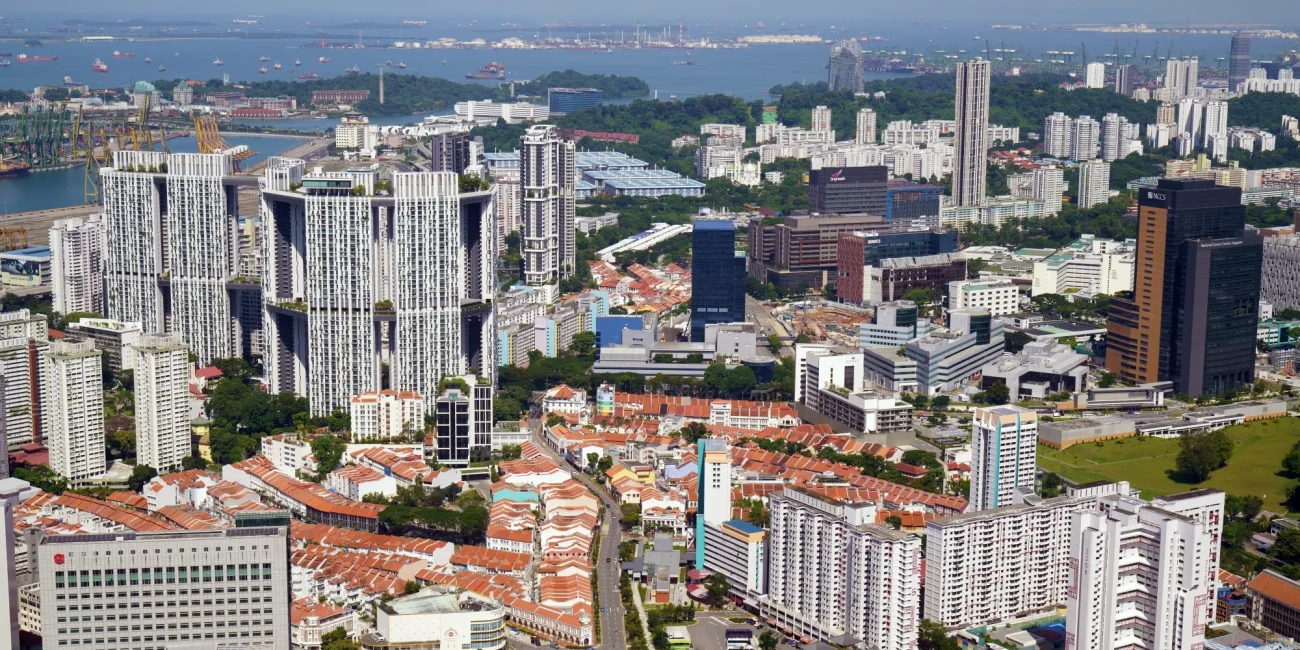
The Government Land Sales (GLS) Programme is one of the most important drivers of Singapore’s property development and urban planning. Every year, GLS sites are released across strategic residential, commercial, and mixed-use zones to ensure a steady supply of land for developers and to support long-term housing demand. In 2025, the GLS programme plays a critical role in balancing market stability, introducing new growth areas, and creating opportunities for buyers, investors, and developers.
This 880+ word guide covers the latest GLS trends, confirmed and reserve list sites, price expectations, and the future of Singapore’s property landscape.
1. What is GLS and Why It Matters in 2025
The Government Land Sales programme determines:
- How much residential supply enters the market
- Where new condos and ECs will be developed
- Pricing trends for new launches
- Long-term urban and transport planning
In 2025, GLS is especially important because:
- Singapore’s population is growing
- More HDB upgraders are entering the market
- Developers need fresh land to meet buyer demand
- New economic hubs (Jurong, Punggol, Woodlands) are emerging
As a result, GLS ensures housing remains stable, accessible, and well-distributed.
2. Key GLS Trends Shaping the 2025 Property Market
Several major themes define the 2025 GLS landscape:
a. Focus on Connectivity-Centric Sites
Sites near MRT lines—including TEL, CRL, and Downtown Line—are prioritized. These plots attract strong developer interest and ensure future residents enjoy seamless mobility.
b. Sustainability & Green Living
2025 GLS sites emphasize eco-friendly development with:
- Green Mark Platinum expectations
- Energy-efficient building requirements
- Green corridors and park connectors
c. Support for Decentralisation
More GLS plots are shifting toward:
- Jurong
- Woodlands
- Punggol Digital District
- Tengah
This reduces pressure on the CBD and brings jobs closer to homes.
d. Balanced Release to Stabilise Prices
The government continues releasing land cautiously to prevent price spikes, ensuring steady supply throughout 2025.
3. Major GLS Hotspots in 2025
1. Jurong Lake District (JLD)
As Singapore’s second CBD, JLD remains a top area for GLS activity:
- Mixed-use commercial and residential sites
- Smart mobility systems
- Proximity to future Cross Island Line stations
- Massive redevelopment potential
Developers view JLD as a long-term growth investment.
2. Bayshore Precinct – Future Waterfront District
The Bayshore zone along East Coast is transforming into a major residential hub.
GLS sites here offer:
- Beautiful sea views
- TEL connectivity
- Integrated retail and community facilities
This area is expected to attract strong local and expat buyer interest.
3. Tengah – New-Generation Smart Eco-Town
GLS plots in Tengah complement the eco-friendly residential landscape and upcoming amenities like:
- Fully automated bus services
- Forest corridor
- Smart energy systems
Perfect for young families and sustainability-focused buyers.
4. Lentor and Upper Thomson Region
This area continues to see developer demand due to:
- Proximity to nature reserves
- Premium tranquil living
- Clustered urban planning
- TEL MRT stations
Future GLS sites support a comprehensive residential ecosystem.
5. Punggol Digital District (PDD)
Complementing Singapore’s smart tech hub, GLS land at Punggol boosts:
- Housing for tech professionals
- Smart living communities
- Digital innovation ecosystem
This is expected to become a top rental and investment hotspot.
4. Residential GLS Land Supply in 2025
The 2025 GLS Confirmed List includes a healthy mix of:
- Mass market residential plots (OCR)
- Mid-tier RCR sites
- Executive Condominium (EC) sites
- Mixed-use developments
This balanced range ensures options for:
- First-time buyers
- HDB upgraders
- Investors
- Developers
More EC sites—especially in Tengah, Jurong, and Punggol—are expected due to strong upgrader demand.
5. Expected Bid Prices & Developer Sentiment
Developer interest in GLS sites remains stable in 2025, supported by:
- Easing construction costs
- Stable interest rates
- Healthy buyer demand
Expected bid patterns:
- OCR sites: Competitive bidding with 6–10 bidders
- RCR sites: Moderately competitive with 4–7 bidders
- CCR sites: Selective bidding due to high ABSD for foreigners
Developers are cautious yet optimistic, focusing on strong locations and integrated development opportunities.
6. How GLS Impacts New Launch Prices in 2025
GLS land prices directly influence new launch prices. Here’s how:
a. Higher land bids = higher future condo prices
Developers must maintain minimum profit margins.
b. Moderate land prices = stable new launch prices
This is the expected trend for 2025.
Expected New Launch Price Ranges (based on GLS land costs):
- OCR: $1,950 – $2,300 psf
- RCR: $2,400 – $2,900 psf
- CCR: $3,000 – $4,000+ psf
- EC: $1,450 – $1,650 psf
These numbers may vary based on location, developer reputation, amenities, and unit mix.
7. GLS and Urban Transformation Projects
The GLS programme supports Singapore’s long-term development goals, especially:
- Jurong Lake District Transformation
- Tengah Eco-Town Growth
- Greater Southern Waterfront
- Changi Business Zone Expansion
- Woodlands Regional Centre Growth
Each new GLS site is aligned with the URA Master Plan and future transport networks.
8. Opportunities for Buyers & Investors in 2025
For Buyers
- New launches from GLS sites offer modern layouts and premium facilities.
- Properties near MRT stations deliver long-term value.
- Mass-market condos from GLS plots remain affordable.
For Investors
- GLS-driven projects in JLD, Lentor, and Punggol offer rental growth.
- Integrated developments from GLS sites provide high occupancy rates.
- ECs built on GLS land offer strong post-MOP value appreciation.
For Sellers
- GLS land near your property increases resale value.
- New nearby MRT stations enhance appeal and pricing.

Other Articles

New Property Launches Singapore 2025: Trends, Hotspots & Buyer Guide