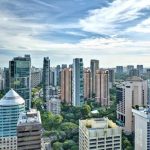
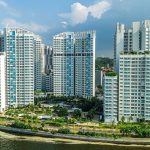


Singapore’s real estate landscape is carefully planned through a structured land allocation system known as the Government Land Sales (GLS) programme. This system plays a major role in ensuring a steady supply of land for residential, commercial, and mixed-use developments across the country.
Through the GLS programme, the government releases state land to private developers, allowing new housing projects, commercial spaces, and integrated developments to be built. This process helps maintain a balanced property market while supporting Singapore’s long-term urban development plans.
What Is the Government Land Sales (GLS) Programme?
The Government Land Sales programme is the main mechanism through which Singapore releases state-owned land for development. These sites are sold to developers through competitive tenders, allowing them to build residential projects, condominiums, offices, retail spaces, or mixed-use developments.
The programme is announced twice a year, ensuring a continuous supply of land to meet housing and development needs in Singapore.
By managing land supply carefully, the government can help maintain market stability and prevent extreme property price fluctuations.
Confirmed List vs Reserve List
The GLS programme typically includes two categories of land parcels:
Confirmed List
Sites on the Confirmed List are scheduled for sale on predetermined dates. Developers can participate in a public tender process to bid for these plots.
Reserve List
Reserve List sites are not released immediately. Instead, developers can apply to trigger a sale by submitting a minimum bid price that meets government expectations.
This two-tier system allows flexibility in land supply and ensures that development responds to actual market demand.
Government Land Sales and Housing Supply
One of the main objectives of the GLS programme is to maintain a steady supply of housing in Singapore.
For example:
- Around 8,505 private residential units were planned for release in the first half of 2025 through GLS sites.
- In the second half of 2025, about 4,725 private residential units were introduced through the Confirmed List to support housing demand.
By adjusting land supply according to market conditions, the government ensures that housing availability remains balanced with demand.
Types of Developments Under GLS Sites
Government land sales sites can be used for several types of development, including:
- Private residential condominiums
- Executive condominiums (EC)
- Mixed-use developments with retail and residential units
- Commercial buildings
- Hotels and serviced apartments
These developments help shape Singapore’s urban environment and create vibrant communities across the island.
Why GLS Sites Attract Developers
GLS sites often attract strong interest from developers because they provide opportunities to build new projects in prime locations.
Key reasons developers compete for these sites include:
- Strategic locations near MRT stations and amenities
- Potential for integrated residential and commercial projects
- Strong demand for housing in Singapore
- Long-term property investment potential
Some GLS tenders receive multiple bids, reflecting strong confidence in Singapore’s property market.
Impact on Singapore’s Property Market
The Government Land Sales programme has a significant influence on the property market.
Its key impacts include:
- Ensuring stable housing supply
- Preventing excessive property price increases
- Supporting long-term urban planning
- Encouraging balanced development across different regions
By releasing land gradually, the government helps maintain sustainable growth in the real estate sector.
New GLS Sites and Future Developments
Recent GLS programmes have included sites across different regions of Singapore, including city-fringe and suburban areas.
Upcoming land sales in 2026 may generate around 4,575 housing units across multiple sites, including residential and mixed-use developments.
Many of these sites are located near transport hubs or transformation areas, which could become future property hotspots.
Opportunities for Property Buyers and Investors
New projects built on GLS sites often attract attention from both homebuyers and investors.
These developments usually offer:
- Modern residential designs
- New lifestyle facilities and amenities
- Strategic locations near transport and commercial hubs
- Long-term capital appreciation potential
For investors, purchasing property in a development built on a well-located GLS site can offer strong future value growth.
Conclusion
The Government Land Sales (GLS) programme plays a crucial role in shaping Singapore’s property market and urban landscape. By carefully releasing state land for development, the government ensures that housing supply remains steady while supporting sustainable urban growth.
For property buyers, investors, and developers, GLS sites often represent exciting opportunities to participate in Singapore’s evolving real estate market.
As new GLS sites continue to be introduced, they will play an important role in creating the next generation of residential and commercial developments across Singapore.