

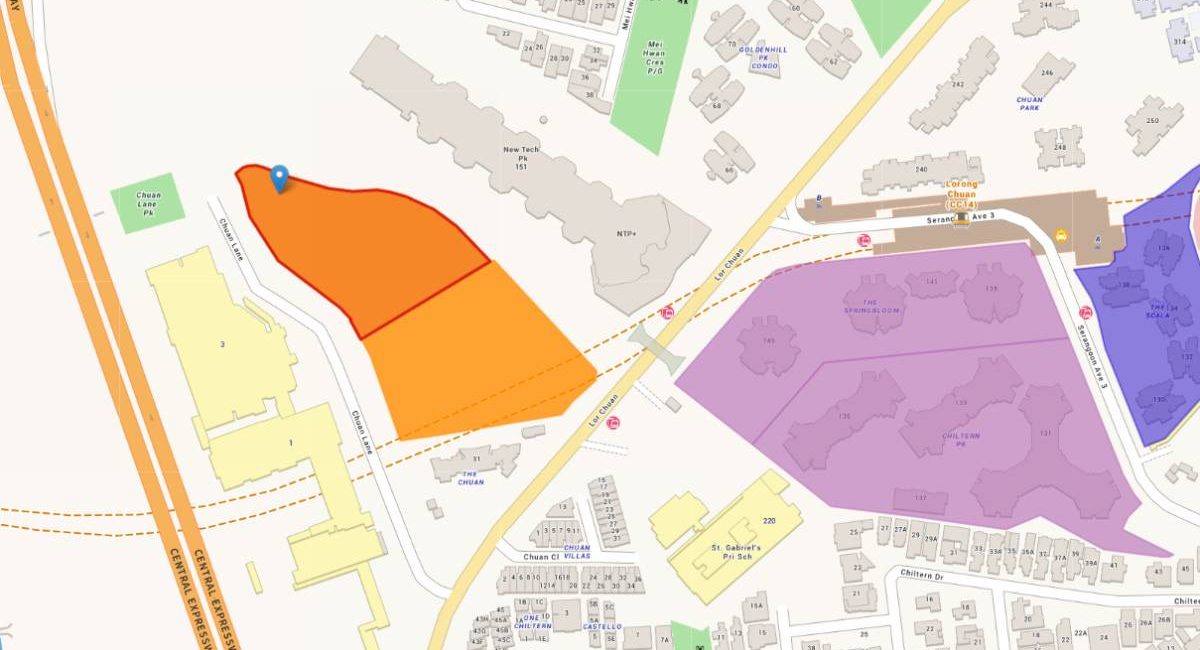
Introduction: GLS Market Snapshot
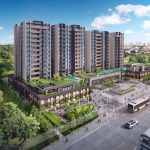
Singapore’s Government Land Sales (GLS) program continues to play a pivotal role in shaping the nation’s urban landscape. In September 2025, both residential and commercial parcels are drawing strong interest from developers and investors, reflecting healthy demand and market confidence.
GLS remains a key mechanism for the government to release strategically located land to meet housing, commercial, and mixed-use development needs.
Residential GLS Sites
Recent residential GLS sites show strong appeal, driven by demand for well-connected housing:
- Key Towns: Jurong West, Sengkang, Punggol, and Tampines continue to attract high bids.
- Parcel Sizes: Sites range from mid-sized plots for 200–400 units to larger parcels exceeding 600 units.
- Developer Competition: Multiple bids reflect strong confidence in Singapore’s property market.
- Future Supply: These sites will contribute to upcoming BTO-style and private residential launches, ensuring sustained housing supply.
Commercial & Mixed-Use GLS Sites
Commercial and mixed-use GLS sites are also in focus:
- Prime Locations: CBD fringe, Changi, Jurong Lake District, and Sentosa Cove.
- Development Potential: Sites designed for offices, hotels, and integrated lifestyle precincts.
- Market Trend: Developers are increasingly bidding for mixed-use projects to balance residential and commercial income streams.
- Investment Appeal: High demand for strategic locations promises strong rental yields and capital growth.
Factors Driving GLS Demand
- Urban Redevelopment: Towns with upcoming MRT lines and integrated transport hubs see heightened interest.
- Economic Recovery: Post-pandemic construction and commercial activity are boosting land acquisition competition.
- Investor Confidence: Strong absorption rates of residential launches encourage developers to bid aggressively.
- Policy Alignment: Government planning ensures GLS sites support long-term housing and commercial needs.
Recent GLS Highlights
- Bedok and Punggol Parcels: Residential plots near MRT stations receiving high bids.
- Kampong Bugis Waterfront: Updated masterplan for 4,000 homes influencing nearby GLS interest.
- Jurong West Mixed-Use Sites: Attracting developers for integrated retail-residential projects.
- Industrial Land Parcels: Limited availability leading to competitive bidding from logistics and manufacturing players.
Tips for Developers & Investors
- Due Diligence: Analyze location, zoning, and expected launch timelines before bidding.
- Financial Planning: Ensure financing aligns with high land premiums and construction costs.
- Future Demand: Consider demographics, connectivity, and amenities when selecting parcels.
- Sustainability: Green building compliance increasingly favored by both regulators and buyers.
Outlook: GLS Market Trends
- Short-Term: Strong competition expected for prime residential and mixed-use plots.
- Medium-Term: GLS will continue supporting Singapore’s BTO launches and private residential supply.
- Long-Term: Strategic releases will contribute to urban densification, transport integration, and sustainable development goals.
Conclusion: GLS as a Market Barometer
Singapore’s Government Land Sales program remains a critical indicator of property market health and investor sentiment.
With residential, commercial, and mixed-use sites driving activity, GLS continues to shape Singapore’s skyline, housing supply, and urban vibrancy. Developers and investors closely monitoring GLS launches are best positioned to capitalize on emerging opportunities in September 2025 and beyond.

Other Articles
Singapore HDB Flats Market Update: Trends & Insights September 2025
The Arcadia Penthouse Sells for S$10.5M, Setting Records Despite Short Lease