
Singapore’s property market has always been shaped by changing lifestyles, government policies, and economic trends. In recent years, a notable shift has emerged: more single women are entering the property market as independent buyers.
Traditionally, property ownership in Singapore was closely linked with marriage or family formation. However, this narrative is gradually changing as women gain stronger financial independence and view property ownership as both a personal milestone and a long-term investment strategy.
This trend is transforming the dynamics of Singapore’s housing market and highlighting broader changes in society.
A Shift Toward Financial Independence
One of the main drivers behind this trend is the growing financial independence among women in Singapore. With higher education levels and stronger career opportunities, many women today have the financial capacity to purchase property on their own.
Recent surveys indicate that about 66% of women in Singapore feel they are in a stronger financial position than their mothers were at the same age, reflecting significant progress in economic empowerment.
As a result, many women no longer see homeownership as something that must wait until marriage. Instead, buying a property has become a strategic move toward financial security and wealth building.
Changing Social Norms and Lifestyle Choices
Social expectations around marriage and homeownership are evolving. In the past, buying a home was often seen as a shared milestone for couples. Today, more women are choosing to purchase property independently.
Property agents in Singapore have observed that a growing portion of their clients are unmarried women buying homes on their own, suggesting that independent female buyers are becoming increasingly common in the market.
This cultural shift reflects a broader change in lifestyle preferences, where individuals prioritize personal goals, financial stability, and independence before traditional milestones like marriage.
The Rise of Single-Person Households
Another factor supporting this trend is the increasing number of single-person households in Singapore.
Official statistics show that single-person households have grown significantly, rising from around 75,400 in 2000 to more than 236,000 in 2024, representing a major shift in household structure.
As more people choose to live alone, housing demand from single buyers — including women — is naturally increasing. This demographic change is gradually reshaping Singapore’s residential property market.
Why Property Appeals to Female Buyers
Many women view property ownership as a reliable way to build long-term financial stability. Unlike more volatile investments, real estate provides both a place to live and a valuable asset that may appreciate over time.
Key reasons women are entering the property market include:
1. Long-Term Wealth Building
Property is widely regarded as a stable investment in Singapore’s tightly regulated housing market.
2. Financial Security
Owning a home offers security and independence, especially for individuals who prefer not to rely on future relationships for housing.
3. Lifestyle Flexibility
Independent property ownership allows women to choose homes that match their lifestyle, workplace proximity, and preferred neighborhoods.
4. Investment Diversification
For professionals and entrepreneurs, real estate provides a way to diversify investment portfolios beyond stocks and savings.
Where Single Women Are Buying Property
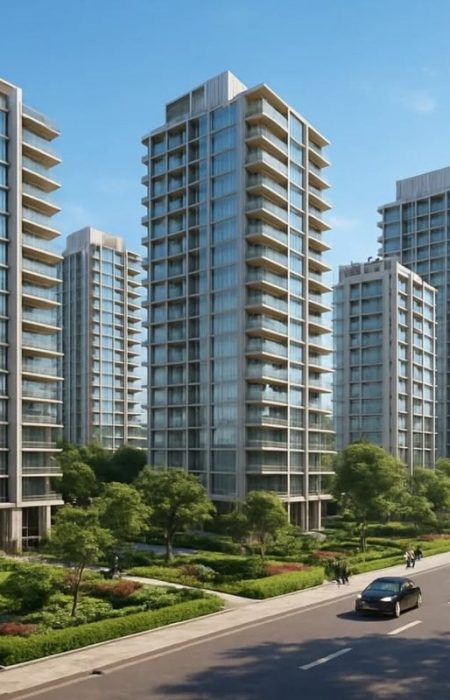
Many single female buyers are purchasing private condominiums, especially in city-fringe areas where prices are relatively more accessible compared with prime districts.
Young professionals aged 26 to 35 represent a growing share of new private home buyers, particularly in urban areas with strong transport connectivity and lifestyle amenities.
These locations offer the convenience of urban living while maintaining potential for long-term property appreciation.
Government Policies Supporting Singles
Government housing policies have also made it easier for singles to enter the market. For example, Singapore allows singles aged 35 and above to purchase certain public housing options, including 2-room Flexi flats under the HDB scheme.
Recent policy updates even allow groups of singles to co-own flats in more locations, expanding housing opportunities beyond traditional family-based ownership structures.
Such policies provide greater flexibility for individuals who wish to own property without waiting for marriage.
Challenges Single Female Buyers Still Face
Despite the growing trend, single women entering the property market still face several challenges:
- High property prices in Singapore
- Financing constraints with a single income
- Eligibility rules for certain public housing options
- Competition in the private property market
Nevertheless, many buyers see these challenges as manageable compared to the long-term benefits of owning property.
What This Means for Singapore’s Property Market
The rise of independent female property buyers is likely to influence several aspects of Singapore’s housing market:
- Higher demand for smaller units, such as studio apartments and one-bedroom condos
- Increased interest in city-fringe locations with good transport access
- More diverse buyer demographics beyond traditional families
- Greater focus on lifestyle-driven property choices
Developers and property agents are already noticing this shift and adjusting marketing strategies to appeal to independent buyers.
Final Thoughts
The increasing number of single women buying property in Singapore reflects broader social and economic changes. With stronger financial independence, evolving lifestyle choices, and growing investment awareness, many women are choosing to secure their own homes earlier in life.
As the trend continues, independent female buyers may become an increasingly important segment of Singapore’s property market. Their growing presence highlights how modern homeownership is no longer defined solely by traditional family structures but by individual ambition, financial planning, and long-term stability.