




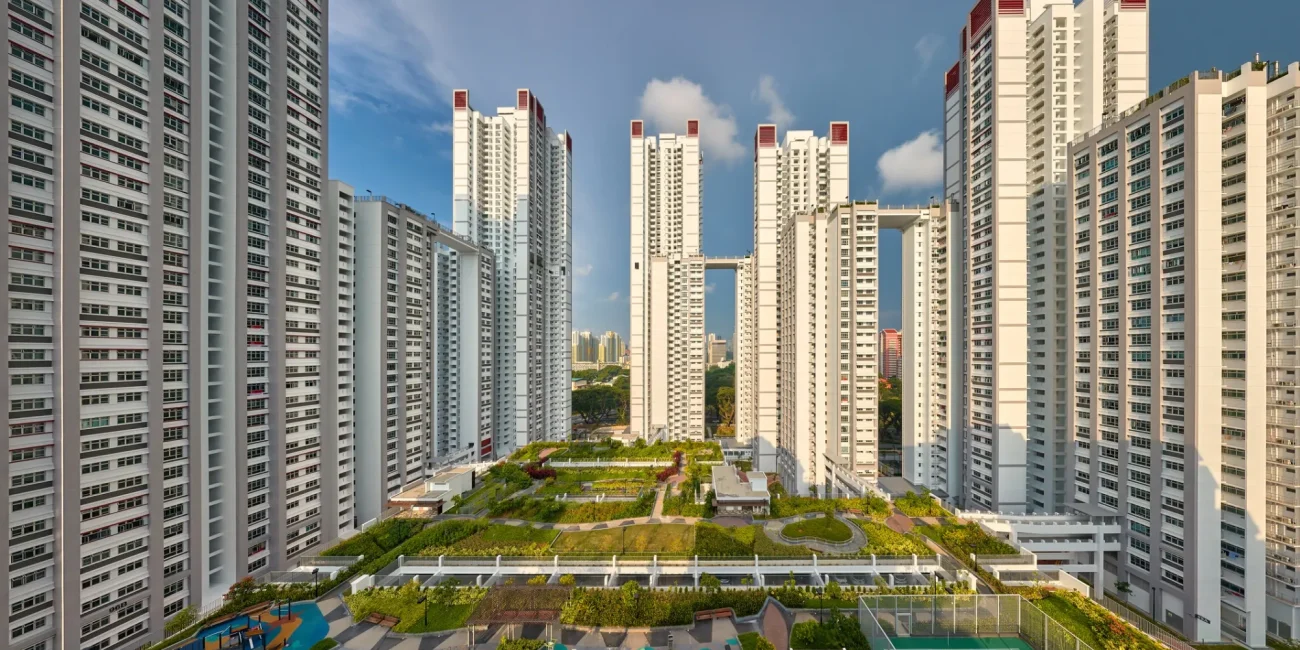
Affordable Housing – A Step Toward Inclusive Living
In an era of rapid urbanization, rising property prices, and increasing inequality, affordable housing has emerged as a vital solution to address the housing needs of low- and middle-income groups. More than just shelter, affordable housing plays a transformative role in fostering inclusive, sustainable, and economically vibrant communities.
Access to a safe, secure, and affordable home is a fundamental human need and a key indicator of social progress. As governments, private developers, and civil society work toward reducing housing inequality, affordable housing is now seen as a catalyst for long-term economic development, social stability, and community well-being.
What is Affordable Housing?

Affordable housing refers to residential properties that are priced within the budget of households earning below the median income level. It ensures that individuals and families do not spend more than 30–40% of their gross monthly income on housing expenses, including rent or mortgage payments, utilities, and maintenance.
These housing units are often:
- Subsidized by the government
- Developed by public-private partnerships (PPP)
- Managed by non-profits or housing authorities
The aim is to make homeownership or rental feasible for vulnerable populations, including low-income workers, single parents, elderly individuals, and differently-abled persons.
Importance of Affordable Housing
Affordable housing contributes to multiple dimensions of societal progress and economic stability. Here’s why it’s essential:
1. Reduces Homelessness & Poverty
Affordable housing provides a foundation for stability. When people have a secure place to live, they can focus on employment, education, healthcare, and personal well-being — helping lift communities out of poverty.
2. Encourages Community Development
When integrated with urban planning, affordable housing creates diverse neighborhoods with access to essential services like schools, public transport, parks, and medical facilities. This fosters social cohesion and safety.
3. Supports Workforce Housing
Affordable housing is essential for workers in critical industries such as:
- Healthcare
- Public safety
- Education
- Sanitation
- Construction
When these workers can live near their workplaces, it reduces commute times and boosts productivity and quality of life.
4. Boosts Economic Growth
Housing construction generates jobs across sectors — architects, builders, suppliers, and local services all benefit. Moreover, families with affordable homes have more disposable income to spend in local economies.
Types of Affordable Housing Options
Governments and organizations worldwide have developed various housing models tailored to different demographic and regional needs:
1. Public Housing Schemes
These are government-constructed residential projects offered at subsidized rates to eligible families. Examples include PMAY (India) and HDB flats (Singapore).
2. Rental Housing Projects
These are low-cost rental units, often temporary in nature, that serve migrant workers, daily wage earners, and others who cannot yet afford ownership.
3. Cooperative Housing Societies
Managed by members or communities, cooperative housing is built on shared ownership and decision-making. This model is popular in urban parts of India and Europe.
4. Micro Homes/Studio Apartments
These are compact units, typically under 400 square feet, designed for singles or couples looking for low-cost, urban housing with minimal maintenance.
5. Green Affordable Housing
Eco-friendly and energy-efficient homes built using sustainable materials, renewable energy, and innovative construction techniques — reducing long-term costs for residents.
Government Initiatives (Global Examples)
Many countries have recognized the urgency of affordable housing and implemented national schemes:
- 🇮🇳 India: Pradhan Mantri Awas Yojana (PMAY) – Aims to provide “Housing for All” by 2025 through subsidies, credit-linked incentives, and slum redevelopment.
- 🇺🇸 USA: Section 8 Housing Choice Voucher Program – Helps low-income families rent housing in the private market with government assistance.
- 🇸🇬 Singapore: HDB Flats – A model public housing scheme that provides well-planned, community-centered flats with integrated amenities.
- 🇬🇧 UK / 🇦🇺 Australia / 🇨🇦 Canada: Offer a mix of social housing, income-tested rental assistance, and non-profit cooperative housing.
These programs share a common goal: to close the housing gap and offer dignified living to all citizens.
How to Access Affordable Housing
Navigating affordable housing opportunities can be overwhelming, but the following steps can simplify the process:
1. Check Eligibility
Review income thresholds, family status, citizenship, and other requirements laid out by local or national housing authorities.
2. Explore Financing Options
Apply for low-interest home loans, especially those supported by government agencies. Use tools like loan eligibility calculators and EMI planners.
3. Register Through Official Portals
Always apply through authorized government websites or verified developers to avoid scams. Some platforms also offer digital applications and tracking systems.
4. Assess Property Quality
Even affordable housing must meet standards of safety and comfort. Check for:
- Legal clearances
- Construction quality
- Accessibility to transport
- Availability of essential utilities (water, power, internet)
Final Thoughts
Affordable housing is not just a real estate concept — it’s a social mission. It’s about building dignity, providing opportunity, and ensuring that no one is left behind in the quest for a better life.
As cities grow and societies evolve, the need for affordable, well-located, and well-maintained housing is greater than ever. It will take the combined effort of governments, private developers, NGOs, and citizens to make this vision a reality.
By investing in affordable housing today, we invest in inclusive communities, sustainable cities, and a brighter, more equitable future for all.