




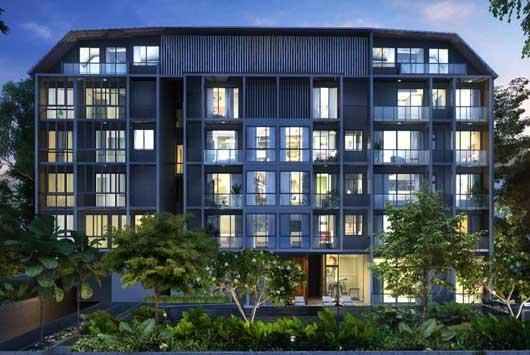
Commercial Property – A Profitable Asset for Growth & Investment
In the dynamic world of real estate, commercial property investment stands out as a reliable and often lucrative avenue for generating long-term wealth. Whether you’re a seasoned investor or a new entrepreneur seeking physical space for operations, investing in commercial real estate offers a blend of high returns, capital appreciation, and portfolio diversification.
From corporate towers to warehouse hubs, shopping complexes to co-working spaces, commercial properties cater to a wide array of industries and serve as foundational assets for business growth and economic activity.
What is Commercial Property?
Commercial property refers to real estate that is used for business purposes rather than residential living. These properties generate income either through leasing space to companies or operating businesses directly from them. Commercial properties can be:

Bought for capital appreciation
Rented out for consistent cash flow
Held as part of a long-term diversified investment strategy
They range from office buildings and malls to logistics hubs, hotels, restaurants, and even mixed-use developments.
Types of Commercial Properties
Understanding the various categories of commercial real estate helps investors choose the most suitable asset based on risk, income potential, and market demand.
1. Office Spaces
Includes high-rise office towers, business parks, shared working spaces, and tech hubs. They are commonly found in central business districts (CBDs) or commercial zones.
2. Retail Outlets
Retail properties include shopping malls, supermarkets, high-street shops, showrooms, and standalone stores. Demand is influenced by location, footfall, and consumer behavior.
3. Industrial & Warehousing Units
Comprising factories, warehouses, distribution centers, and logistics hubs, these assets serve manufacturing, storage, and e-commerce sectors. They are growing in demand due to global supply chain expansion.
4. Hospitality Properties
Includes hotels, motels, resorts, and restaurants. Hospitality real estate is closely tied to tourism and travel trends, making it lucrative yet sensitive to global events.
5. Mixed-Use Developments
These combine commercial, retail, and residential elements within a single project or complex. Ideal for urban centers, they offer diverse income streams and community-driven designs.
Why Invest in Commercial Real Estate?
Investors are increasingly drawn to commercial property due to its ability to generate strong, stable income and retain long-term asset value. Here’s why:
1. High Rental Yields
Commercial spaces typically deliver higher rental income compared to residential units. Returns can range from 6% to 12% annually, depending on location and property type.
2. Long-Term Leases
Tenants in commercial spaces, such as corporates or retailers, usually sign multi-year lease agreements (3, 5, or even 10 years). This ensures a steady, predictable income stream.
3. Capital Appreciation
Properties in high-demand business zones often see significant appreciation in value over time, providing equity gains in addition to rental income.
4. Portfolio Diversification
Adding commercial property to your investment portfolio balances risk. It’s especially valuable during times when residential or equity markets underperform.
5. Increasing Demand
As economies grow and urban centers expand, there’s rising demand for office space, retail infrastructure, and warehousing, especially in emerging markets and e-commerce zones.
Things to Consider Before Investing
While commercial real estate is attractive, it’s important to approach it strategically:
Location Matters
Choose properties located in developed business zones, near transport hubs, highways, or growing commercial centers. Good location ensures high occupancy rates and steady demand.
Property Type and Size
Are you investing for rental income, capital appreciation, or both? Office spaces in tech parks may offer long leases, while warehouses may provide high returns in shorter cycles.
Conduct Legal and Technical Due Diligence
- Verify title deeds and land use permissions
- Inspect building condition and facilities
- Check for zoning regulations, environmental clearances, and tax records
Evaluate Tenant Profile
A strong, reliable tenant such as a bank, multinational company, or government agency offers low-risk and stable returns. Avoid properties with high tenant turnover or vacancy rates.
Plan Your Financing
Understand the loan structure, down payment requirements, EMIs, and cash flow projections. Work with financial advisors to assess expected ROI and tax benefits.
Commercial Leasing Benefits
Commercial leases differ from residential ones in several important ways:
- Long-Term Stability: Commercial leases typically last 3–10 years
- Triple Net Leases (NNN): Tenants pay rent + taxes + insurance + maintenance
- Maintenance Responsibility: Many lease structures require the tenant to cover ongoing maintenance
- Incremental Rent Clauses: Most agreements include annual rent escalations of 5–10%
These features make commercial leasing especially appealing to investors and real estate investment trusts (REITs).
Final Thoughts
Investing in commercial property is not just about acquiring a piece of land or a building—it’s about owning a high-performing asset that delivers financial stability, passive income, and strategic long-term value.
Whether you’re:
- An entrepreneur seeking office space
- An investor building a real estate portfolio
- A developer exploring mixed-use projects
…commercial real estate offers flexibility, opportunity, and resilience in an ever-changing economy.
However, success in this space depends on thorough market research, due diligence, and a clear investment strategy. When done right, commercial property investment can open doors to consistent profits and secure wealth-building opportunities for decades to come.