





The Asia-Pacific (APAC) real estate market has shown impressive growth in the second quarter of 2025. According to global property consultancy Knight Frank, total real estate investment across the region surged to US$42 billion, largely driven by robust activity in the living sector and data centre infrastructure.
This marks a significant rebound from previous quarters and reflects investors’ growing interest in alternative asset classes beyond traditional office and retail spaces.
Key Highlights from Knight Frank’s Report
- Total Real Estate Investment (Q2 2025): US$42 billion
- Top-performing sectors: Living sector and data centres
- Leading countries: Japan, South Korea, Australia, India, Malaysia
- Investor Profile: Global institutional investors, family offices, REITs
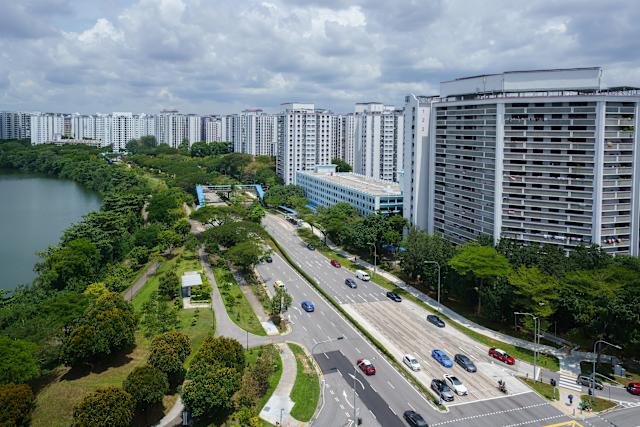
The continued shift towards digital infrastructure and urban living has altered the investment landscape, making APAC a hotspot for real estate funds seeking high-yield, future-proof assets.
Living Sector: The Rising Star of Real Estate
The living sector — which includes student accommodation, co-living spaces, senior living, and multifamily units — has emerged as a major driver of real estate growth in APAC. This surge is fueled by:
- Urbanization across Asia
- Rise in single-person households
- Growing demand for rental housing
- Shift in lifestyle preferences post-COVID
Knight Frank’s 2025 Wealth Report highlights the living sector as one of the top areas of interest for institutional investors, surpassing even traditional commercial properties in some markets.
Data Centres: Infrastructure for the Digital Future
Another major contributor to Q2’s growth is data centre investment. With cloud computing, AI, and 5G driving demand for digital infrastructure, APAC has become a global leader in this space.
Key Insights:
- Data centre investment in 2024: US$25.8 billion
- Forecasted by 2027: Over US$58.7 billion
- Top cities: Mumbai, Johor, Tokyo, Melbourne, Seoul
The demand for secure, scalable data storage facilities is pushing real estate developers and tech companies to build high-capacity centres in both Tier-1 and emerging cities. This trend is expected to continue, as digital adoption accelerates across Asia.
Shift in Investment Strategy: From Traditional to Future-Focused Assets
Knight Frank notes a strategic pivot among investors. Rather than pouring funds into offices and malls, they are moving toward:
- Built-to-rent residential portfolios
- Senior housing and care facilities
- Data centres and industrial tech parks
- ESG-compliant green buildings
This shift is not just limited to large institutional players. Private equity firms, sovereign funds, and high-net-worth individuals are also participating in this transformation.
Top Investment Destinations in APAC
Based on Knight Frank’s Q2 2025 review, the following markets have emerged as the most attractive for real estate investors:
| Country | Key Asset Classes |
| Japan | Co-living, data centres |
| Australia | Multifamily, logistics |
| India | Data centres, affordable housing |
| South Korea | Student housing, smart cities |
| Malaysia | Industrial parks, rental housing |
These markets offer a unique combination of stable governance, tech adoption, and real estate flexibility — essential for long-term ROI.
Investor Tips: How to Navigate the APAC Market
If you’re planning to enter or expand your portfolio in APAC real estate, here are a few strategic tips:
- Focus on emerging trends: Living sector and digital infrastructure are outperforming office and retail.
- Look beyond Tier-1 cities: Markets like Johor (Malaysia) and Pune (India) are gaining attention.
- Assess ESG performance: Sustainability is becoming a non-negotiable investment criterion.
- Stay updated on regulatory changes: Especially in China, India, and Southeast Asia.
Conclusion
The Q2 2025 data from Knight Frank reveals a dynamic shift in the APAC real estate sector. With total investments reaching US$42 billion, driven by the booming living sector and data centre infrastructure, it’s clear that Asia-Pacific is reshaping the future of global real estate.
As urban growth, digital transformation, and lifestyle shifts accelerate, investors have a unique opportunity to align their portfolios with these powerful trends.
Whether you’re a seasoned investor or entering the region for the first time, APAC’s real estate market in 2025 is brimming with possibilities — as long as you know where to look.

Other Articles