



The Urban Redevelopment Authority (URA) has just released its Government Land Sales (GLS) program update for August 2025, signaling key opportunities in Singapore’s evolving property landscape. As developers gear up for fresh projects, the Confirmed and Reserve Lists include a diverse mix of private residential, mixed-use, and Executive Condominium (EC) plots, with strong implications for supply, pricing, and buyer options heading into 2026.
Here’s a deep dive into the newly released sites, estimated unit supply, developer trends, and potential impacts for homebuyers and investors.
1. Confirmed List Sites
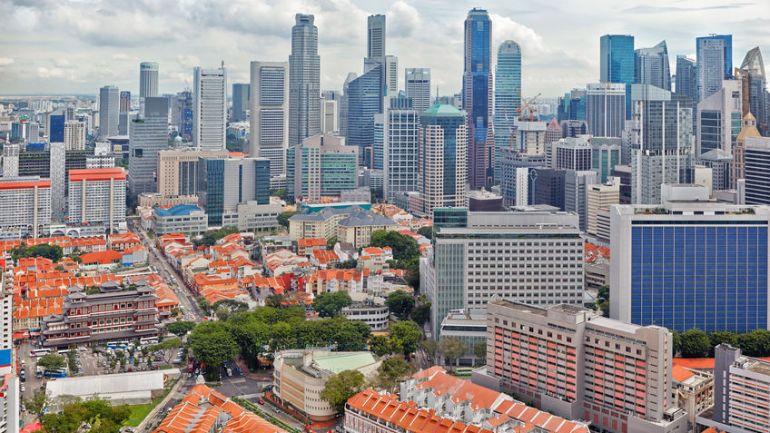
The Confirmed List under the August 2025 GLS program includes five residential sites, of which two are designated for Executive Condominiums (ECs). These sites are strategically positioned near growth areas and upcoming transport infrastructure, increasing their appeal to both developers and future residents.
- Dover Rise (District 5)
A highly anticipated mixed-use plot, this site is located near One-North MRT, schools like Fairfield Methodist, and key business parks. The site is expected to attract developers interested in tech-centric, city-fringe living.
Estimated potential: 750–800 units. - Jurong Gateway (District 22)
Positioned within the Jurong Lake District (JLD), Singapore’s next major regional centre. This site will support the West’s transformation into a vibrant commercial and residential hub.
Estimated potential: 600–650 units. - Tampines North Avenue 12 (EC Plot)
This EC site has already drawn strong developer attention due to its location near future MRT stations (Cross Island Line) and community amenities.
Expected to yield around 495–510 EC units, ideal for HDB upgraders.
Other confirmed plots include smaller private condo sites in Upper Serangoon and Lentor Central, rounding off the list with varied residential offerings across the city.
2. Reserve List Highlights
The Reserve List provides an additional buffer of potential sites that can be released if developers indicate interest. August 2025’s Reserve List includes promising residential plots across suburban and emerging growth towns.
- Punggol Digital District (PDD): A key site that aligns with Singapore’s digital transformation strategy. Expected to integrate smart home design and sustainable living concepts.
- Woodlands Avenue 7: A large-scale residential site in the north with easy access to the Woodlands Regional Centre and Causeway.
- Yishun Central: Near Northpoint City and Yishun MRT, this site has seen past successful developments and could appeal to mass-market buyers.
If triggered, the Reserve List is expected to bring an additional 2,800 to 3,000 units into the pipeline by early to mid-2026.
3. Estimated New Supply
The combined total of the Confirmed and Reserve Lists has the potential to generate a projected 6,800 new residential units over the next few years.
- Of this total, approximately 1,200 units are earmarked for Executive Condominiums (ECs), which remain a highly attractive option for middle-income families and HDB upgraders.
- Private residential supply is skewed towards city fringe (RCR) and Outside Central Region (OCR) areas—helping to balance the current supply-demand gap in these popular segments.
- The projected increase in supply is aligned with URA’s efforts to moderate price pressures and ensure housing affordability across diverse household income levels.
This steady injection is critical to maintaining market stability, especially amid strong new launch performance seen in Q2 and Q3 2025.
4. Developer Interest Grows
There’s renewed momentum in the developer community as land-hungry firms seek opportunities in light of recovering market sentiment and rising land scarcity.
- Prominent local players such as City Developments Ltd (CDL), UOL Group, and Far East Organization are expected to submit competitive bids, particularly for larger plots like Dover Rise and Tampines EC.
- Joint ventures with foreign developers, including Chinese and Japanese firms, are increasingly common—especially for mixed-use and luxury projects where scale and innovation are key.
- With GLS land prices inching upward, many developers are recalibrating unit sizes and pricing strategies to maintain market relevance and buyer affordability.
Analysts note that developer margins may be tighter, but project turnover is expected to be fast, given sustained homebuyer demand.
5. Impacts on Future Homebuyers
For buyers, the August 2025 GLS update brings promising news—particularly for those eyeing homes in fringe or suburban areas.
- The expanded supply of ECs and OCR condos could ease affordability pressures for first-time buyers and HDB upgraders.
- Locations like Jurong Gateway and Dover will benefit from long-term growth in infrastructure and business hubs, making them ideal for owner-occupiers and long-term investors.
- Developers are likely to launch future projects with competitive pricing and value-added features, such as smart home tech, co-working pods, and green-certified materials.
- If Reserve List sites are activated, homebuyers may enjoy wider location choices and more varied price points over the next 12 to 18 months.
Government oversight and proactive land release continue to serve as key levers for managing property prices and preventing speculative bubbles.
Looking Forward
The August 2025 GLS exercise signals a well-balanced land release strategy by URA—meeting current housing demand while preparing for future growth. As Singapore advances its urban planning, infrastructure, and population strategies, the GLS program remains central to shaping a sustainable and inclusive living environment.
Looking ahead, key sites in Pasir Ris, Holland Drive, and Upper Thomson may appear in the November 2025 GLS update, expected to target boutique developers and high-rise mixed-use projects.
Conclusion
With the addition of new EC plots, city fringe condos, and Reserve List flexibility, the August 2025 GLS program plays a crucial role in supporting Singapore’s evolving housing needs. Developers are showing renewed interest, and buyers can expect a wider array of well-located, thoughtfully planned housing options over the next 2–3 years.
For now, staying updated on land sales, upcoming launches, and macroeconomic trends will help both investors and homeowners make informed decisions in a fast-moving market.


