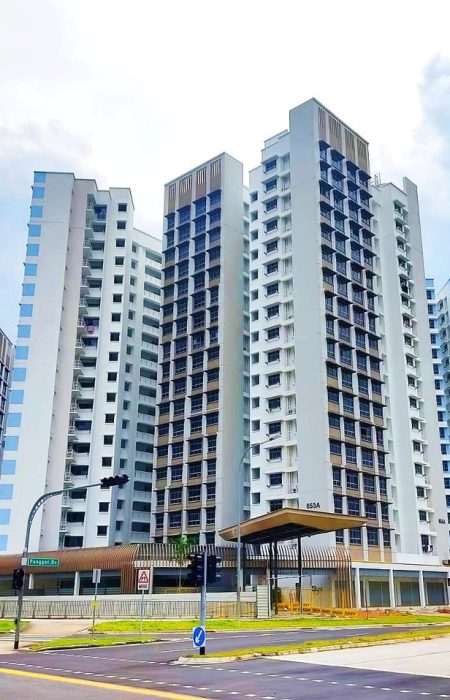

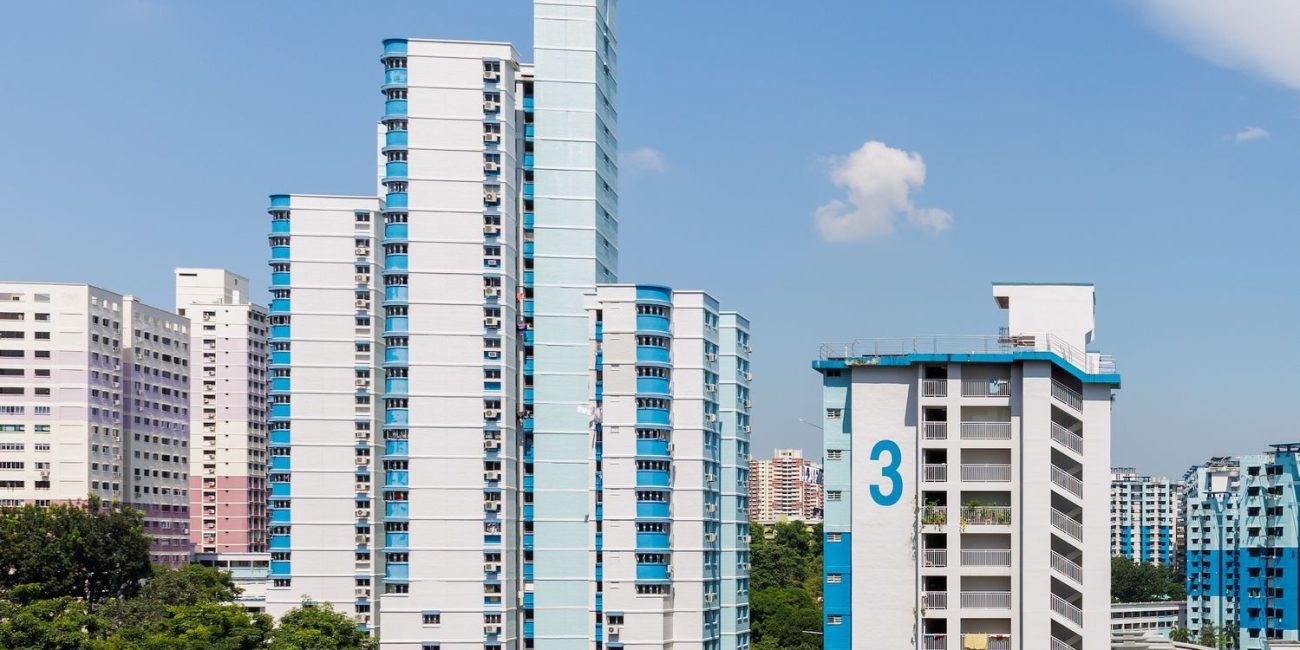
Public housing continues to be the cornerstone of Singapore’s real estate landscape. In 2025, the Housing and Development Board (HDB) market remains resilient despite rising costs, economic adjustments, and policy shifts.
From resale price movements to BTO (Build-To-Order) launches and new grant updates, here’s a comprehensive look at the trends shaping the HDB flat segment this year.
1. Overview – A Year of Balanced Growth and Strong Demand
The HDB market in 2025 shows signs of price moderation following several years of strong growth. According to recent data, resale prices increased by around 1.5% in the first quarter of 2025, compared to a 2.3% rise in late 2024.
While growth has slowed, overall demand remains strong — especially among first-time buyers, families, and upgraders moving from smaller to larger flats.
The combination of stable pricing, steady supply, and government support has created a healthier, more sustainable public housing market.
Key highlights:
- Resale volume remains steady due to strong upgrader and family demand.
- First-time buyers continue to prioritise affordability and accessibility.
- Price growth is expected to remain under 3% for the full year.
2. Price Trends – Stability Across Most Flat Types
HDB resale prices have stabilised after hitting record highs in 2023–2024.
The current average prices (as of mid-2025) are approximately:
- 3-room flats: S$420,000 – S$480,000
- 4-room flats: S$600,000 – S$680,000
- 5-room flats: S$720,000 – S$800,000
- Executive flats: S$850,000 – S$950,000
Premium locations such as Queenstown, Bishan, and Bukit Merah still command higher prices due to convenience and centrality, while non-mature estates like Punggol, Woodlands, and Tengah remain affordable entry points for first-time buyers.
Trend Insight:
While overall prices have plateaued, high-quality renovated flats near MRT stations and schools continue to attract competitive offers.
3. BTO Launches 2025 – Renewed Focus on Accessibility and Affordability
HDB continues to roll out Build-To-Order (BTO) projects across key regions to meet demand.
In 2025, new launches focus on Tengah, Kallang/Whampoa, and Bukit Batok, offering a mix of 2-room Flexi to 5-room units.
To shorten waiting times, many new projects come with reduced construction periods and improved design standards, including eco-friendly layouts and smart home features.
Notable updates:
- Average waiting time for BTO flats: 3.5 to 4.5 years.
- Upcoming “Plus” and “Prime” flats in central locations will have resale restrictions to maintain affordability.
- Focus on green and sustainable living under HDB’s “Green Towns Programme.”
Buyer Tip:
Check the location category (Standard, Plus, or Prime) before applying — this affects both eligibility and future resale flexibility.
4. Government Grants & Financing Support in 2025
Affordability remains a key focus of Singapore’s housing policy.
Buyers can access several grants, such as:
- Enhanced CPF Housing Grant (EHG): Up to S$80,000 for first-timers.
- Family Grant: Up to S$50,000 for married couples buying resale flats.
- Proximity Housing Grant (PHG): Up to S$30,000 for those living near parents or children.
Additionally, the HDB Loan remains available with an interest rate of 2.6% per annum, and buyers can also opt for bank loans with competitive rates.
Tip:
Combine EHG + Family Grant + PHG strategically to reduce your total purchase cost significantly.
5. Changing Buyer Preferences – Space, Connectivity & Sustainability
Post-pandemic, Singaporeans continue to prioritise space and convenience.
Larger 4- and 5-room flats in well-connected areas are in high demand, especially those near MRT lines, schools, and town centres.
There’s also a growing preference for:
- Smart-enabled homes (Wi-Fi ready, digital locks, energy monitoring)
- Green features like solar panels and energy-efficient lighting
- Community-centric amenities including gardens, play zones, and co-living facilities
This evolution reflects Singapore’s broader shift toward sustainable and smart urban living.
6. Emerging Hotspots for HDB Buyers
While central estates remain popular, upcoming areas offer better value and appreciation potential:
- Tengah: Singapore’s first “smart and sustainable” town with green corridors and autonomous transport.
- Woodlands: Growth due to cross-border connectivity (RTS Link) and commercial expansion.
- Punggol: Evolving into a digital innovation hub with new waterfront amenities.
- Bukit Batok & Jurong: Benefiting from future MRT connectivity and western region growth.
These estates combine affordability, lifestyle, and long-term growth — ideal for first-time homeowners.
7. HDB Resale Market Challenges
While demand is stable, challenges remain:
- Rising renovation costs due to material price increases.
- Older flats facing lease decay (especially units built before 1990).
- Limited supply in mature estates pushing prices up.
Investor Note:
Older flats may still be attractive if they are well-located and priced right — but always check remaining lease tenure and potential for future upgrading programmes.
8. Tips for Buyers in 2025
For First-Time Buyers:
- Apply early for grants and prepare finances before the BTO launch window.
- Consider non-mature estates for better affordability.
- Choose units near MRT or future transport lines for long-term value.
For Upgraders:
- Explore resale flats in developing towns to balance size and cost.
- Sell your existing unit before committing to a new purchase to manage cash flow.
For Investors (HDB Eligible):
- Focus on properties with stable demand and rental potential (subject to HDB rules).
- Avoid overpaying during peak periods; wait for value opportunities.
9. The Road Ahead – HDB Flats as a Long-Term Asset
HDB’s approach in 2025 reflects a balance between affordability, sustainability, and quality living.
With continued investment in green towns, transport infrastructure, and smart technology, public housing remains the backbone of Singapore’s homeownership model.
As prices stabilise, buyers can focus more on lifestyle, connectivity, and community rather than pure capital appreciation.
For most Singaporeans, an HDB flat remains not just a home — but a stable, long-term investment in the nation’s future.
Conclusion
The HDB flat market in 2025 continues to offer strong value and stability amid global uncertainty. With moderated price growth, expanding supply, and generous government support, this is a favourable year for genuine buyers.