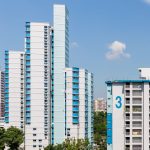


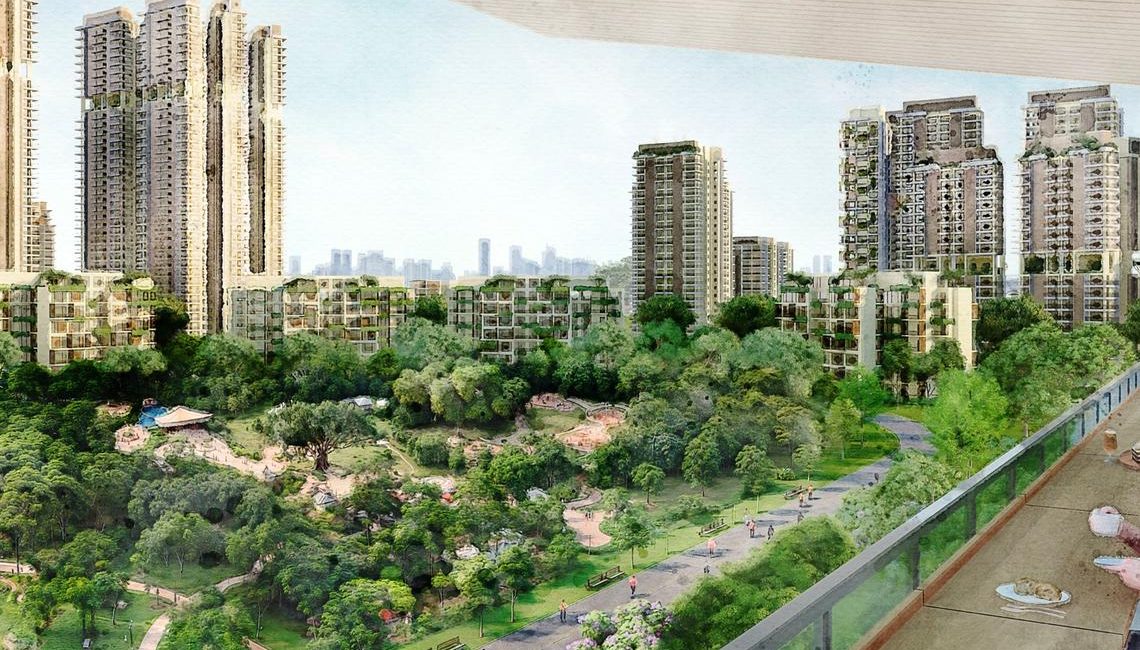
The Singapore property market in 2025 is evolving into a more balanced and stable environment. After years of robust growth, the market is showing signs of moderation, offering both opportunities and caution for homebuyers, upgraders, and investors. From cooling measures and HDB resale dynamics to sustainability-driven projects and rental shifts, here’s a detailed look at the trends shaping Singapore’s housing landscape this year.
1. Market Overview – From Rapid Growth to Gradual Stability
The era of double-digit growth has slowed. In 2024, private property prices rose by around 2.8%, and a similar modest increase is projected for 2025. This indicates a more sustainable and stable market, ideal for genuine homebuyers rather than short-term speculators.
Transaction volumes have dipped slightly as both buyers and developers adjust to higher financing costs and government policies. The upside — fewer bidding wars and more predictable price trends.
What this means:
- Homebuyers can take more time to choose the right property.
- Investors can focus on rental yield and long-term appreciation instead of speculative short-term gains.
2. Government Policy & Cooling Measures
The government continues to play an active role in managing the market through cooling measures. The Additional Buyer’s Stamp Duty (ABSD) remains in effect to curb speculative buying, especially among foreign investors.
For first-time buyers and HDB upgraders, enhanced housing grants and tighter loan-to-value (LTV) ratios ensure affordability and financial prudence.
Buyer takeaway:
Stay updated on policy changes, especially ABSD rates, HDB loan limits, and eligibility rules before making your purchase decision.
3. HDB Resale Market – Demand Remains Resilient
The HDB resale market continues to be vibrant in 2025, driven by upgraders, young families, and those preferring ready-to-move-in flats.
While price growth has slowed to about 1–2% per quarter, demand remains strong due to limited supply of flats reaching their Minimum Occupation Period (MOP).
Trends to note:
- Mature estates with good connectivity and amenities remain highly desirable.
- Buyers are increasingly valuing lease balance, flat condition, and location proximity to MRT stations.
- Flats in non-mature estates offer better value for money and are gaining traction among first-time homeowners.
4. Private Condo Market – Focus on Suburban Value
The private condominium segment is experiencing strong demand in the Outside Central Region (OCR) and Rest of Central Region (RCR). Suburban areas like Woodlands, Tampines, and Punggol are attracting attention due to improved transport links and affordable price points.
Average new-launch condo prices hover between S$2,200 to S$2,600 per square foot, depending on location and project type. Luxury and prime district (CCR) properties are seeing slower activity as high entry prices and ABSD dampen investor enthusiasm.
Investor insight:
Suburban condos near MRT stations and key amenities are expected to offer the best balance between rental yield and long-term growth potential.
5. Sustainability and Smart Homes Drive New Demand
Sustainability has become a defining theme in Singapore’s housing sector. Developers are increasingly integrating green features, smart home technologies, and energy-efficient designs into new projects.
Buyers now look beyond location and price — they also value eco-friendly developments with solar panels, smart sensors, and water-saving systems.
Why it matters:
- Sustainable projects may command better long-term value.
- Smart homes attract tech-savvy young professionals and families.
- Properties with “Green Mark” certification or eco-friendly features could see higher rental demand.
6. Rental Market Outlook – Steady Demand, Adjusting Yields
Rental demand in 2025 remains firm, though growth has stabilized compared to the post-pandemic surge. Expatriates, digital nomads, and professionals returning to Singapore are supporting the rental sector.
With more supply entering the market, rental rates may ease slightly, but locations with strong amenities and transport access will continue to perform well.
Tips for landlords and investors:
- Focus on connectivity — properties near MRT lines or business hubs have lower vacancy risks.
- Keep units well-maintained; tenants increasingly prefer move-in-ready homes.
- Monitor yields and avoid over-leveraging in anticipation of softening rents.
7. Emerging Growth Areas – Where to Watch
Singapore’s decentralization strategy continues to open new opportunities outside the traditional city core.
Hotspots to watch in 2025 include:
- Jurong East: Rapidly transforming into the second CBD with major transport and retail upgrades.
- Woodlands Regional Centre: Benefiting from the Johor Bahru–Singapore RTS link and industrial expansion.
- Punggol Digital District: A tech and innovation hub attracting both residential and commercial investments.
These areas offer long-term upside potential and appeal to younger buyers seeking modern, affordable living spaces with strong connectivity.
8. Key Risks & Considerations
While fundamentals remain strong, several risks warrant attention:
- Higher interest rates: Mortgage affordability remains a challenge for some buyers.
- New project pipeline: A surge in upcoming launches could moderate price growth.
- Economic uncertainty: Global economic headwinds may affect sentiment and investor confidence.
Buyers and investors should plan conservatively, factor in long-term holding costs, and stay financially flexible.
9. Tips for Buyers, Upgraders & Investors
For First-Time Buyers:
- Prioritize affordability and proximity to work or family.
- Explore HDB grants and stay within comfortable loan limits.
For Upgraders:
- Consider moving to emerging estates for better value.
- Evaluate lifestyle needs — proximity to schools, transport, and future amenities.
For Investors:
- Focus on properties with strong rental demand and limited supply.
- Calculate realistic yields after taxes, maintenance, and vacancy risk.
- Avoid overexposure in high-priced segments.
Conclusion
The Singapore property market in 2025 is defined by balance, sustainability, and long-term value. With moderated price growth, resilient demand, and continued government guidance, the market remains attractive for genuine buyers and strategic investors alike.
Success in 2025 will come not from chasing quick profits, but from understanding evolving buyer preferences, assessing real value, and investing in properties that align with future growth and sustainability trends. Whether buying a home or expanding a portfolio, the smart move this year is to focus on steady growth, quality locations, and sustainable living.

Other Articles