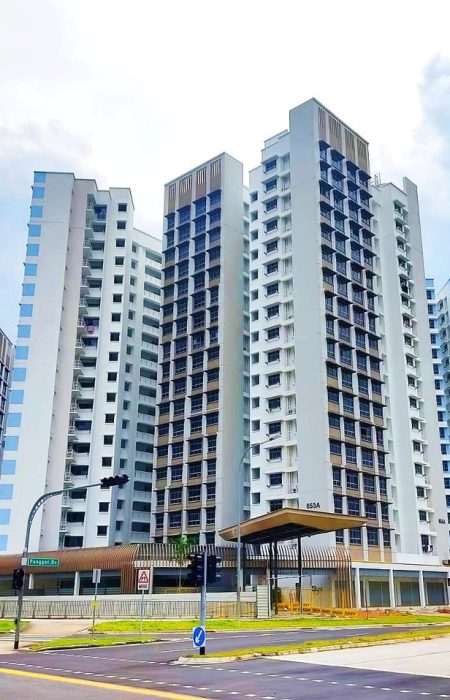

In 2025, the Housing & Development Board (HDB) resale market remains robust, even as prices continue to inch upward. According to latest statistics, HDB resale prices have grown by 2.8% in the first half of 2025, marking the fifth consecutive year of steady appreciation.
This consistent growth reflects strong housing demand, driven by factors such as population stability, limited supply of new flats, and the desire for larger living spaces post-pandemic.
Young couples, upgraders, and retirees are all competing for well-located flats, particularly in mature estates like Toa Payoh, Bishan, and Queenstown.
2. BTO Launches and New Projects in 2025
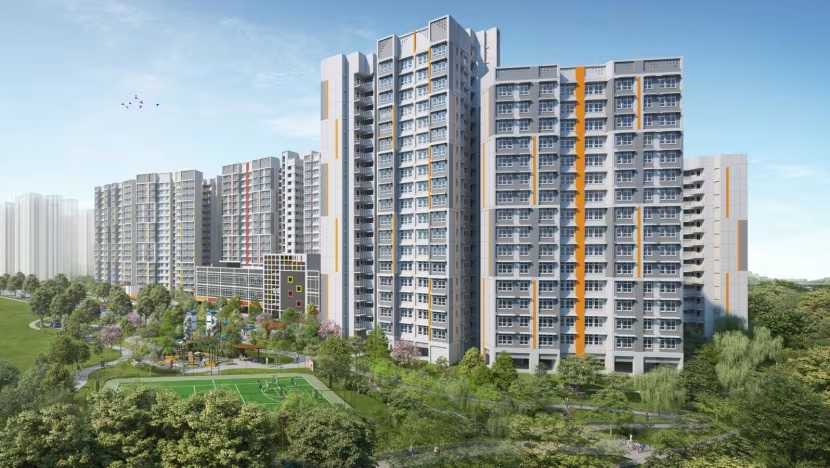
The government continues to focus on increasing housing supply through the Build-To-Order (BTO) system. In 2025, HDB is expected to release more than 20,000 new flats, distributed across estates such as Woodlands, Tengah, Kallang-Whampoa, and Pasir Ris.
BTO projects are becoming smarter, greener, and more community-focused. Many upcoming developments now feature:
- Eco-friendly design concepts (solar panels, energy-saving systems)
- Integrated community spaces for social interaction
- Proximity to MRT lines and shopping centers
Despite higher construction costs, the government is ensuring that new HDB flats remain affordable for first-time buyers through grants and priority schemes.
3. Resale Market Update: Million-Dollar Flats Becoming Common
A notable trend in 2025 is the continued rise in million-dollar HDB resale transactions. While these represent only a small percentage of the total market, they reflect the sustained value of well-located, spacious units in mature estates.
More than 85 HDB flats were sold above S$1 million in the first quarter of 2025, with units in The Pinnacle @ Duxton, Bishan, and Queenstown leading the list.
Buyers are willing to pay a premium for convenience, panoramic views, and proximity to amenities — especially given the growing demand for move-in-ready homes.
4. Young Buyers and Family Preferences
A new generation of buyers is reshaping the HDB market. Millennials and Gen Z couples now prioritize:
- Smart home features (digital locks, energy monitoring)
- Flexible layouts for hybrid work setups
- Proximity to parks and recreation spaces
These lifestyle-driven choices are influencing the design of upcoming HDB flats, emphasizing functionality, comfort, and sustainability.
Families, on the other hand, continue to seek 4-room and 5-room flats for extra living space, often in newer estates like Tengah and Punggol, where prices remain more affordable.
5. Government Cooling Measures and Housing Support
To maintain affordability and discourage speculation, the Singapore government has introduced several cooling measures and support initiatives:
- Enhanced CPF Housing Grants for first-time buyers
- Extended Minimum Occupation Period (MOP) for prime-location flats
- Additional Buyer’s Stamp Duty (ABSD) regulations to control investment purchases
These efforts aim to create a fair and balanced housing market, ensuring that HDB flats remain accessible to genuine homeowners rather than investors.
6. Rental Market for HDB Flats: Growing Demand from Expats
The HDB rental market in 2025 is showing surprising strength. As rental rates for private condominiums rise, more tenants — including foreign professionals, PRs, and students — are choosing HDB flats as a cost-effective alternative.
Rental prices for a 4-room HDB flat now average around S$3,000 to S$3,500 per month, depending on location and condition. Areas like Tampines, Jurong West, and Sengkang have emerged as rental hotspots, offering good connectivity and community amenities.
7. Sustainability and Green Living in HDB Estates
Sustainability is becoming a defining theme in Singapore’s public housing. HDB is investing in green technology, energy-efficient buildings, and sustainable landscaping across new developments.
Initiatives like the Green Towns Programme aim to reduce energy consumption by 15% by 2030 through measures such as:
- Smart LED lighting
- Solar panels on rooftops
- Urban farming and green corridors
This focus on environmental sustainability not only supports national climate goals but also enhances residents’ quality of life.
8. Challenges: Affordability and Supply
While demand remains high, affordability continues to be a key concern in 2025. Rising construction costs and land prices have led to higher BTO pricing. However, government grants and financial assistance schemes have helped mitigate the impact.
The challenge also lies in ensuring adequate supply in popular locations. Mature estates face limited land availability, pushing more projects into emerging areas such as Tengah, Yishun, and Sembawang.
9. Future Outlook for HDB Flats in Singapore
Looking ahead, the HDB market is expected to remain stable with moderate price growth through 2025 and into 2026.
The ongoing balance between new BTO launches and strong resale demand will sustain the housing ecosystem.
Key factors shaping the outlook include:
- Continued government support for first-time homeowners
- Steady population growth and household formation
- Ongoing transformation of new towns with modern facilities
Experts predict that HDB resale prices could grow by 2–4% annually, while rental rates may see a similar upward trend due to strong tenant demand.
Conclusion
The HDB flats market in Singapore for 2025 reflects the nation’s evolving housing needs — blending affordability, sustainability, and modern living. With increasing demand for well-located flats, continued BTO supply, and government efforts to ensure accessibility, the future looks bright for homeowners and buyers alike.
Whether you are planning to buy your first HDB flat, upgrade to a larger home, or explore resale opportunities, staying informed about market movements can help you make smart decisions in this ever-evolving property landscape.

Other Articles
Singapore Property Market Trends 2025: Prices, Demand & Outlook