

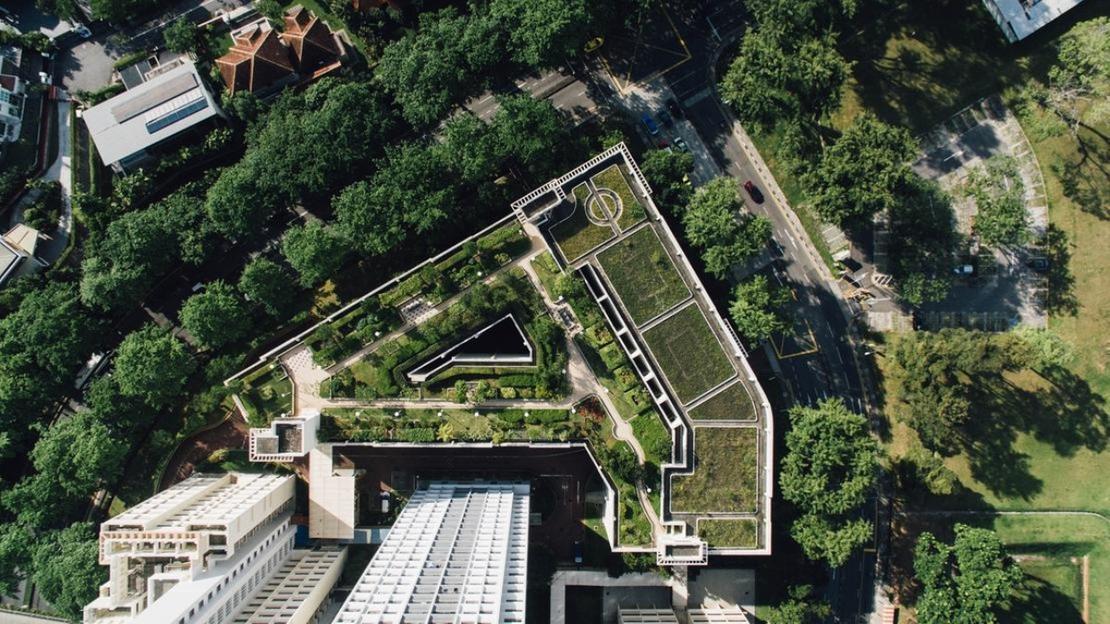
The Government Land Sales (GLS) programme plays a major role in shaping Singapore’s future urban landscape. Every year, GLS sites released through the Confirmed List and Reserve List help ensure a steady supply of private housing, mixed-use developments, business parks, and commercial spaces. In 2025, the GLS market continues to evolve with a focus on long-term sustainability, affordability, and strategic town planning.
Whether you are a property investor, homebuyer, or market observer, understanding the latest GLS trends helps you anticipate future developments and identify smart investment opportunities. This guide provides an in-depth look into the 2025 GLS programme, new site launches, upcoming hot zones, and how GLS will influence Singapore’s property market in the years ahead.
1. What Is the GLS Programme and Why It Matters
GLS ensures a healthy and stable property market by regulating land supply. Through carefully planned releases, GLS helps maintain:
- Balanced supply of private housing
- Stable long-term price growth
- Urban development in new regions
- Opportunities for mixed-use and commercial expansion
Because most new condos are built on GLS land, the programme directly impacts prices, new launch pipeline, and buyer demand.
2. GLS 2025: Key Priorities and Direction
The 2025 GLS programme focuses on three main goals:
2.1 Improving Housing Supply & Affordability
To support increasing housing demand, especially from HDB upgraders and families, the government continues to release more residential plots. This helps prevent price spikes and ensures steady availability of new homes.
2.2 Strengthening Growth Regions
GLS releases will support key development zones including:
- Jurong Lake District
- Woodlands Regional Hub
- Punggol Digital District
- Tengah New Town
- Greater Southern Waterfront
These areas are Singapore’s next-generation growth engines.
2.3 Supporting Sustainability & Green Urban Planning
Many GLS sites in 2025 emphasise:
- Environmentally friendly building designs
- Integrated transport connectivity
- Walkability and green corridors
- Mixed-use ecosystems for reduced travel needs
This aligns with Singapore’s long-term carbon-neutral vision.
3. Confirmed List vs Reserve List (2025)
3.1 Confirmed List
Sites on the Confirmed List are guaranteed for launch regardless of developer interest. These usually include well-located plots with strong demand potential.
They provide:
- Immediate supply of private homes
- Predictable new launch pipeline
- Stability in market pricing
3.2 Reserve List
Reserve List sites are launched only if a developer submits a minimum bid. These plots offer flexibility in land supply depending on market demand.
Reserve List sites often include
- Larger commercial parcels
- Integrated mixed-use sites
- Future growth region plots
4. Hot GLS Sites Expected to Shape 2025–2026 Property Trends
Several high-potential GLS parcels released in 2025 are expected to generate strong competition among developers.
4.1 Jurong Lake District (JLD)
As Singapore’s upcoming “Second CBD,” JLD remains the most anticipated GLS hotspot. Future developments will benefit from:
- Jurong Innovation District
- New MRT lines (including Jurong Region Line)
- Integrated business, retail & lifestyle precincts
Projects here may become top picks for investors seeking long-term appreciation.
4.2 Woodlands Regional Centre
With improved transport links and commercial upgrades, Woodlands GLS sites offer:
- Low entry prices
- Strong rental potential
- Growing demand from expats coming from Johor Bahru
Woodlands is a rising star for future mixed-use developments.
4.3 Punggol Digital District (PDD)
As Singapore’s tech hub, GLS sites near PDD attract:
- Tech professionals
- Digital enterprises
- Young families
This district will see a strong pipeline of smart-living condos and commercial spaces.
4.4 Bayshore Precinct (East Coast)
Bayshore GLS sites are highly attractive due to:
- Proximity to Thomson-East Coast Line
- Sea views
- Future integrated transport hub
Expect premium but competitive bids in this coastal zone.
4.5 Greater Southern Waterfront (GSW)
GSW represents Singapore’s biggest redevelopment opportunity in decades. GLS sites here will shape future luxury living with:
- Waterfront homes
- Mixed-use promenades
- Green corridors
- Urban resort-style designs
This area is expected to gradually transform into a prime residential and commercial hub.
5. How GLS Affects New Launch Prices in 2025
When developers secure GLS sites, the land cost influences future condo launch prices. In 2025:
- Higher construction costs affect bidding strategies
- Developers remain cautious due to global economic uncertainties
- Competitive bids continue in high-demand districts
- OCR sites remain more affordable
- Mixed-use sites attract premium bidders
However, increased supply helps prevent runaway price surges, making 2025 a more stable market for homebuyers.
6. What Buyers Should Expect from GLS-Fueled New Launches
Developments built on GLS sites in 2025 will feature:
6.1 Smart-Home Integrations
Buyers can expect enhanced digital living with:
- Smart access control
- AI-enabled home management
- Energy-saving systems
6.2 Sustainable Architecture
New GLS projects incorporate:
- Green Mark certification
- Solar rooftops
- Recycled materials
- Water-efficient features
6.3 Lifestyle-Focused Spaces
Modern facilities designed for families & professionals include:
- Co-working lounges
- Wellness and spa zones
- Sky terraces & nature decks
- Urban lifestyle clubs
6.4 Future Connectivity Benefits
Many GLS sites are aligned with new MRT lines, reducing travel time and improving convenience.
7. Investment Opportunities in GLS-Driven Projects
GLS sites often create strong investment prospects, especially in:
7.1 City-Fringe Regions (RCR)
These areas balance affordability and long-term capital appreciation.
7.2 Integrated Developments
Located above transport hubs or connected to malls.
7.3 Growth Zones
Jurong, Woodlands, and Punggol are expected to deliver solid rental and capital gains.
7.4 Future Waterfront Developments
GSW and Bayshore will attract both local and foreign investors.
8. Challenges for Developers in 2025
Developers face several key challenges that may influence GLS bids:
- Rising construction costs
- Interest rate fluctuations
- Land scarcity in central areas
- Risk of oversupply in some districts
- Cooling measures impacting buyer affordability
This may result in more strategic bidding rather than aggressive competition.
Conclusion
The Government Land Sales (GLS) programme remains a major driver of Singapore’s property market in 2025. With a strong pipeline of residential and mixed-use sites, developers and buyers can look forward to exciting new opportunities in emerging districts. As GLS releases continue to support affordability, sustainable growth, and enhanced urban living, Singapore’s real estate landscape remains dynamic, forward-thinking, and full of potential.

Other Articles

HDB Flats Singapore 2025: Complete Market Trends, Pricing & Buyer Guide