
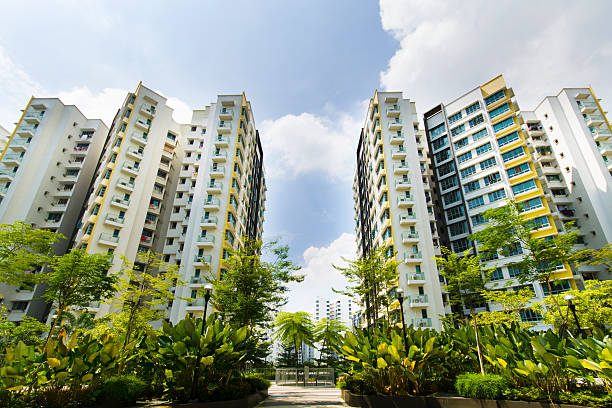
The Singapore property market enters 2025 with a mix of stability, moderated price growth, and evolving buyer expectations. While the past few years delivered rapid price increases and high rental demand, the current climate shows signs of balance — supported by strong homebuyer interest, improved housing supply, and ongoing government measures to maintain long-term affordability.
This detailed overview breaks down the key trends shaping the residential and investment landscape in 2025.
1. Price Growth Moderates but Market Remains Strong
One of the most defining trends in 2025 is slower, yet steady price growth. Unlike previous years when private property prices climbed rapidly, the current environment reflects a more sustainable pace.
Private home prices are expected to grow modestly due to increased supply and stabilizing demand. HDB resale prices, while still increasing, are also rising at a more measured rate compared to the spikes seen during 2022–2023.
This moderation suggests the market is moving toward a soft landing, rather than a decline — creating a healthier environment for buyers planning long-term investments.
2. Higher Supply Provides Breathing Room
The government’s housing development pipeline is playing a crucial role in shaping 2025 trends. More private residential units are reaching completion, easing pressure that previously pushed prices upward.
On the public housing side, the flow of new flats and revised BTO launch timelines increases options for first-time buyers, reducing competition in the resale segment.
This expanded supply supports overall market stability and offers buyers better opportunities across different price points.
3. HDB Resale Market Maintains Momentum
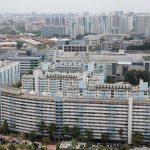
Despite cooling measures, the HDB resale market remains highly active. Limited MOP (Minimum Occupation Period) flats and strong upgrader demand ensure both transaction volume and prices remain healthy.
Million-dollar HDB deals continue to appear across mature estates, reflecting the value placed on location, connectivity, and flat size.
For many young families and first-time buyers, resale HDB flats remain an attractive entry point due to larger unit sizes and immediate availability.
4. Suburban and City-Fringe Condos Gain Popularity
In 2025, suburban districts such as Jurong, Sengkang, Woodlands, Tampines, and Punggol are seeing rising interest. These areas offer value-driven opportunities thanks to:
- Lower price points compared to central regions
- Proximity to new and upcoming MRT lines
- Integration with lifestyle amenities, malls, parks, and business hubs
- Family-friendly neighbourhoods and schools
Buyers are prioritising affordability and convenience, making Outside Central Region (OCR) condos one of the most resilient segments this year.
5. Sustainability & Smart Home Features Influence Buyer Choices
Sustainability continues to be a major theme in Singapore’s housing landscape. Many new developments include:
- Green Mark-certified features
- Solar energy integrations
- Smart home automation systems
- Energy-efficient lighting and cooling
- EV charging facilities
Buyers in 2025 view sustainability not only as an environmental benefit but also as long-term cost efficiency and a lifestyle upgrade. Developers are increasingly incorporating smart features as standard offerings, particularly in new launch condos.
6. Rental Market Cools, But Demand Remains Stable
After soaring rental prices during the post-pandemic period, the market is gradually cooling. New supply and returning global stability are contributing to a more balanced rental environment.
However, rental demand remains supported by:
- Foreign professionals
- Returning expatriates
- Students in tertiary institutions
- Tenants waiting for BTO or condo TOP
While rents may no longer climb at record-breaking rates, well-located units near MRT stations and business hubs continue to experience strong occupancy.
7. Luxury Market Slows, Landed Segment Sees Mixed Signals
The luxury condo market has experienced a slowdown due to higher Additional Buyer’s Stamp Duty (ABSD), especially for foreign buyers.
Still, Singapore remains an attractive long-term hub for high-net-worth individuals due to its stability, safety, and strong financial infrastructure.
The landed property segment, particularly Good Class Bungalows (GCBs), remains extremely limited in supply. While transaction numbers are lower, scarcity ensures long-term value preservation.
8. Government Policies Continue to Shape the Market
Singapore’s property market stability is largely supported by government policies designed to prevent speculation.
Key measures affecting 2025 include:
- ABSD for second and third property buyers
- TDSR (Total Debt Servicing Ratio) for responsible borrowing
- LTV (Loan-to-Value) limits for prudent financing
- Continued GLS (Government Land Sales) to maintain supply
These regulations help maintain affordability for local buyers while preserving long-term market health.
9. New Growth Corridors Drive Future Value
Several major infrastructures and urban projects are influencing future property values:
- Greater Southern Waterfront redevelopment
- Jurong Lake District transformation into Singapore’s second CBD
- Expansion of Cross Island Line and Thomson-East Coast Line
- Mixed-use townships integrating residential, commercial, and green spaces
Properties located near these growth corridors are expected to see stronger capital appreciation in the long run.
Conclusion: 2025 Brings Stability, Opportunities & Smart Growth
The Singapore property market in 2025 is characterized by balanced growth, healthier supply, evolving buyer preferences, and strong fundamentals.
Whether you're a first-time homebuyer, HDB upgrader, or long-term investor, the current environment offers opportunities across various segments — provided you focus on value, location, connectivity, and future development potential.

Other Articles