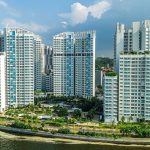


Singapore’s Government Land Sales (GLS) Programme is a central pillar of the city-state’s land use and housing strategy. Managed by the Urban Redevelopment Authority (URA), the GLS programme ensures an adequate and sustainable supply of land for residential, commercial, and industrial use.
As we move through 2025, the GLS programme continues to attract strong interest from developers and investors alike. Let’s take a deep dive into the latest GLS launches, key insights, and what it means for the future property market.
What is the Government Land Sales (GLS) Programme?
The GLS programme is a tender process where the Singapore government releases land parcels to developers in two categories:
- Confirmed List: Land sites released according to schedule regardless of demand.
- Reserve List: Released only upon a successful bid triggered by developer interest.
This dual-track system helps balance supply and demand, ensuring that land prices stay in check while supporting the growing housing needs of Singapore’s population.
Highlights of the 2025 GLS Programme
The 1H 2025 GLS Confirmed List includes several prominent sites across Singapore:
Residential & Mixed-Use Sites:
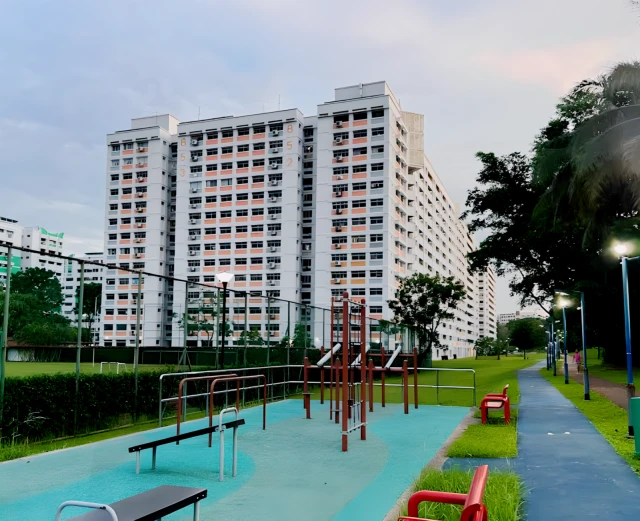
Dorset Road (Novena, D11)
Upper Thomson Road (D20)
Telok Blangah Road (D4)
Lentor Gardens (D26)
These plots are expected to generate over 5,500 new homes, representing a sharp increase in supply compared to previous years.
Bidding Trends & Developer Activity
Despite global economic uncertainties, developer participation in GLS tenders remains robust. Key reasons include:
- Limited private land supply in land-scarce Singapore
- Developers’ need to replenish land banks
- Increasing demand from upgraders and new homeowners
Recent tenders have seen aggressive bidding from top developers like CDL, GuocoLand, and Frasers Property. Average bid prices continue to trend upward, especially in prime and city-fringe locations.
How GLS Affects Home Buyers
GLS directly influences the types of homes available and their future pricing. Here’s how:
- Land acquired at higher costs = higher launch prices for new condos
- GLS ensures that housing supply is not overly developer-controlled
- Proximity to MRT, amenities, and transformation zones enhances long-term value
Buyers should pay attention to GLS sites as they indicate future new launches. Early awareness gives potential homeowners and investors an edge in planning their next move.
Key GLS Sites to Watch in 2025
Telok Blangah Road (District 4)
- Near Greater Southern Waterfront
- Potential for waterfront residences
- Likely to attract both luxury homebuyers and investors
Upper Thomson Road (District 20)
- Close to Thomson-East Coast MRT
- Mixed-use potential
- High demand due to connectivity and schools nearby
Dorset Road (District 11)
- Near Novena Medical Hub and MRT
- Rare site in central region
- High rental and resale potential
Impact on the Property Market
The GLS programme helps stabilize private housing prices by aligning supply with demand. In the long run:
- It reduces speculation by keeping land release transparent
- Ensures planned and sustainable urban growth
- Encourages innovative urban design through design-focused tender criteria
What to Expect Moving Forward
- More GLS sites to be announced in 2H 2025, especially in suburban towns
- Increased focus on sustainable developments and green buildings
- Integration of PropTech and smart infrastructure in GLS tender expectations
URA may also explore flexible zoning, allowing sites to adapt to future commercial or community needs.
Conclusion
The Singapore Government Land Sales (GLS) Programme plays a critical role in shaping the city’s real estate landscape. For developers, it’s a race to secure strategic plots. For buyers and investors, it’s an early window into where the next property hot spot will emerge.
Staying updated on GLS announcements gives you a smart edge in planning your next home or investment. As more land is released and developments launched, expect an exciting future for Singapore’s property market.