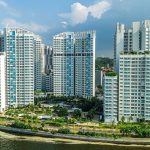


The Singapore property market in 2025 continues to evolve, shaped by global economic conditions, domestic policies, and shifting lifestyle needs. While previous years saw rapid price increases, 2025 brings a more stable and sustainable growth environment. Whether you are a buyer, investor, or seller, understanding these trends is essential to making informed property decisions. Below is a complete breakdown of the latest market movements, price changes, rental patterns, HDB and private housing demand, and the outlook for the year ahead.
1. Market Overview: A Year of Stabilisation and Steady Growth
After a period of aggressive price climbs, the Singapore property market is experiencing softer, more stable growth. Prices in both private and public housing sectors continue to rise but at a moderated pace. This cooling is mainly due to government policies, increased housing supply, and cautious buyer sentiment.
Experts note that Singapore is transitioning from a “hot” market to a “balanced” market, and this is positive for long-term sustainability. Instead of speculative buying, demand now comes largely from genuine homeowners and upgraders looking for long-term property value.
2. Private Residential Property Trends
Private property continues to remain attractive, especially for buyers focusing on lifestyle, investment value, and rental demand. Here are the key patterns shaping 2025:
2.1 Price Growth Moderates
Private home prices are still increasing but at a slower rate. The market is shifting toward sustainable price appreciation rather than rapid spikes. This moderation is driven by:
- Higher Additional Buyer’s Stamp Duty (ABSD)
- Tightened loan-to-value (LTV) limits
- Careful sentiment among foreign investors
- Increased supply from new launches and Government Land Sales (GLS)
2.2 Demand Shifts to Suburban Regions
The Outside Central Region (OCR) leads in demand. Buyers prefer:
- Affordable price points
- Larger units
- Proximity to schools, malls, and MRT lines
- Modern integrated developments
Developments in Tampines North, Jurong Lake District, Woodlands, and Punggol are showing strong interest thanks to transport upgrades and urban planning improvements.
3. HDB Resale Market: Still Strong but Slowing
HDB resale flats remain popular, especially among:
- Young couples
- Families seeking larger units
- Upgraders who plan to transition to private property later
3.1 Resale Prices Rise Steadily
Prices continue rising due to:
- High demand for move-in ready flats
- Shorter waiting times compared to BTO
- Upgraders pushing resale demand higher
But the rate of increase has slowed, as buyers become more price-sensitive.
3.2 Larger Flats Lead the Market
5-room and executive flats are the hottest segment. These units are preferred for:
- More living space
- Multi-generational households
- Work-from-home areas
HDB’s ongoing supply efforts will help stabilise price growth further in 2025.
4. Rental Market: Cooling but Still Attractive
The rental market surged in the past few years, but 2025 shows signs of stabilisation.
4.1 Rents Slightly Declining
Due to more supply entering the market, rental prices—especially for condominiums—have softened. However, well-located units near business districts or MRT stations remain in high demand.
4.2 Expats and Professionals Drive Rental Demand
Despite a slight cooling, rental demand is strong among:
- Expatriates
- Professionals
- Digital nomads
- Long-term work pass holders
This ensures a healthy rental ecosystem overall.
5. Emerging Trend: Sustainability & Smart Homes
Sustainability continues to be a major property theme in 2025. Buyers increasingly value:
- Green-building features
- Solar energy systems
- Smart home automation
- Energy-saving technology
- Eco-friendly designs
Upcoming launches often include:
- EV charging points
- Green Mark certifications
- Smart access security
- Digital home management systems
This reflects buyer preference for modern, efficient, environmentally friendly living.
6. Government Land Sales (GLS) and New Supply
The GLS programme is a major force shaping the 2025 market. More residential plots are being released, ensuring a healthy pipeline of new homes.
6.1 GLS Influence on Market Prices
More supply means:
- Reduced pressure on home prices
- More choices for buyers
- Balanced long-term demand
New mixed-use plots around MRT hubs are expected to become future hotspots.
6.2 More New Launches Coming
With increasing project launches, competition among developers may lead to attractive buyer incentives, especially in suburban districts.
7. Who Is Driving Demand in 2025?
7.1 HDB Upgraders
Many HDB owners who finished their MOP (Minimum Occupation Period) are upgrading to private condos.
7.2 Young Professionals & Families
They seek:
- Connectivity
- Amenities
- Work-from-home–friendly layouts
7.3 Long-Term Investors
Investors focus on:
- Sustainability projects
- Well-located resale condos
- Units near MRT or upcoming developments
8. Challenges & Risks to Watch
While the outlook is positive, buyers should stay aware of key risks:
- Possible new cooling measures
- Global interest rate uncertainties
- Housing affordability concerns
- Volatile external economic conditions
- Oversupply in some private segments
However, Singapore’s stable economy and strong housing policies generally protect long-term market performance.
9. Outlook for the Rest of 2025
The rest of 2025 is expected to bring:
- More stable pricing
- Steady demand from genuine buyers
- Healthy rental activity
- Strong interest in integrated and sustainable developments
The market is neither overheating nor declining—it is balanced, predictable, and suitable for both buyers and long-term investors.
Conclusion
The Singapore property market in 2025 is in a period of healthy stabilisation. Prices are moderating, supply is increasing, and demand continues to be supported by upgraders, families, and long-term investors. With growing focus on sustainability, technology, and connectivity, the future of Singapore real estate is secure and promising.