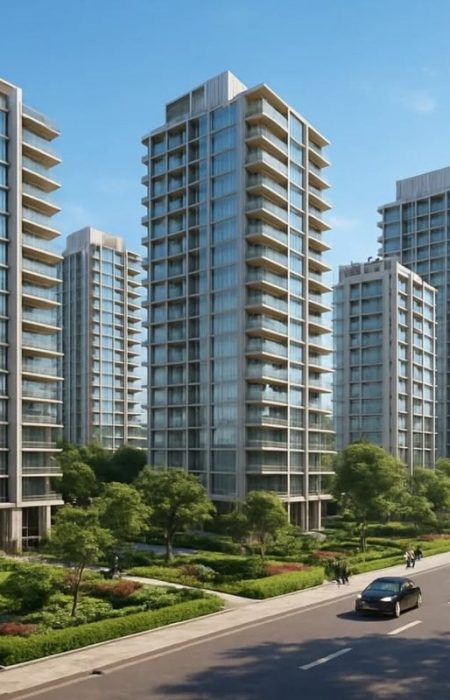
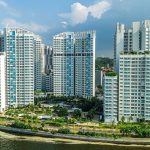


The Singapore property market in 2025 continues to show stability, resilience, and long-term growth potential despite a mixed global economic environment. With moderated price increases, strong HDB demand, rising rental interest, and sustainable development trends shaping the future, Singapore remains one of the most trusted and competitive real estate markets in Asia. This 880+ word report covers the essential trends that homebuyers, investors, and sellers need to understand in 2025.
1. Price Growth Remains Moderate but Stable
Private residential property prices in Singapore are expected to rise 1% to 5% in 2025. This follows years of rapid price increases from 2020 to 2023, and a more balanced growth trajectory seen in 2024. Developers, analysts, and banks agree that the market is entering a phase of healthy, sustainable expansion, driven by genuine demand rather than speculation.
The government’s cooling measures—including Additional Buyer’s Stamp Duty (ABSD) and stricter loan requirements—continue to ensure affordability and prevent overheating. As a result, buyers today enjoy more predictable market conditions and do not face dramatic price spikes.
2. HDB Resale Market Demand Remains Strong
While private property prices show moderated growth, the HDB resale market continues to stay very active. Several reasons contribute to this:
- Many BTO flats launched between 2011–2015 have reached their Minimum Occupation Period (MOP).
- Young couples and first-time buyers prefer ready-to-move-in HDB resale units over waiting 4–6 years for BTO projects.
- Larger flats like 4-room and 5-room HDBs remain highly sought after due to work-from-home flexibility.
- Popular towns with excellent connectivity, schools, and amenities continue to see rising resale prices.
In 2025, resale prices are expected to grow steadily, supported by real homeowner demand rather than investors.
3. New Launches and Supply Pipeline
Singapore is increasing housing supply gradually to support population growth and ensure affordability. The new private residential supply in 2025 includes a mix of:
- Integrated developments
- Executive condominiums
- Mass-market condos in OCR (Outside Central Region)
- Boutique freehold developments
The government’s Government Land Sales (GLS) program is also releasing new plots in upcoming hotspots such as Tengah, Bayshore, and the Greater Southern Waterfront. These supply injections help balance demand and prevent excessive price surges.
4. Sustainability and Green Buildings Are a Major Trend
Green housing continues to grow in popularity. Buyers in 2025 prefer:
- Low-energy air-conditioning systems
- Solar-integrated roofs
- Smart home energy management
- Green Mark-certified buildings
- Eco-friendly construction materials
Singapore’s push for environmental sustainability is creating a new generation of eco-smart homes that appeal to both young families and investors prioritizing long-term savings and environmental responsibility.
5. Growing Importance of PropTech and Smart Homes
Technology continues to transform the property market in 2025. Key tech-driven trends include:
- AI-powered mortgage and affordability tools
- Virtual property tours
- Online property valuation algorithms
- Smart home automation systems
- IoT-enabled security features
Most new launches now come with smart home packages, including digital locks, climate automation, and remote home monitoring systems. These features increase property value and attract younger homeowners and tech-savvy investors.
6. Changing Buyer Profiles and Lifestyle Preferences
The demographic of buyers in 2025 is changing. Key segments include:
a. HDB Upgraders
Thousands of HDB owners whose flats have reached MOP are transitioning to private condos or executive condos.
b. Newly Formed Households
Younger adults prioritizing independence are driving small-unit demand in condos and rental markets.
c. Families Seeking Larger Homes
Post-pandemic lifestyle changes continue to push demand for:
- Bigger flats
- Dual-key units
- Landed homes
- Homes with study rooms or private working spaces
Lifestyle-driven buying is stronger than ever.
7. Rental Market Remains Strong
The rental market in Singapore sees continuous strength due to:
- Steady inflow of professionals
- Growth of digital nomads
- Foreign students
- High demand in central and city-fringe areas
- Workplace decentralization increasing suburban rental appeal
In 2025, rental yields for well-located condos and integrated developments remain attractive for investors, especially those targeting 1-bedroom and 2-bedroom units.
8. Commercial Property Trends
Commercial real estate is evolving due to hybrid work models. Key trends include:
- Increased preference for flexible workspaces
- High demand for small offices for SMEs
- Growth of co-working hubs in suburban areas
- Strong performance of industrial and logistics properties due to e-commerce expansion
Commercial investors in 2025 prefer assets with long leases, stable tenants, and good connectivity.
9. Government Policies Continue to Shape the Market
The Singapore Government plays an important role in maintaining market stability. Policies influencing 2025 trends include:
- Cooling measures to manage demand
- Adjusted property taxes
- Green Mark sustainability requirements
- GLS land release strategy
- Incentives for environmentally friendly construction
These policies collectively ensure a sustainable, balanced, and future-ready property market.
10. Outlook for Buyers and Investors
- 2025 is a favourable year to enter the market due to stability and strong supply.
- Focus on long-term affordability and good location.
For investors:
- Rentals remain strong, especially in city-fringe and suburban hotspots.
- Eco-friendly and tech-enabled homes offer better long-term returns.
For sellers:
- Upgrading households and young buyers will continue driving demand.
- Well-maintained units in high-demand locations will fetch strong prices.

Other Articles
HDB Flats Singapore 2025: Market Trends, Prices & Buyer Insights
Singapore HDB Flats Market 2025: Key Trends, Prices & Buyer Guide