
Understanding the Core of HDB Price Pressures
HDB resale prices in Singapore have remained consistently high despite repeated rounds of cooling measures. Policies like reduced loan-to-value (LTV) ratios, stricter eligibility conditions, and longer Minimum Occupation Periods (MOPs) have been introduced to manage demand, but these efforts have only achieved limited success in curbing prices.
So, what’s truly driving the upward pressure on HDB resale prices? The root issue lies not just in demand but in the inadequate supply of BTO flats. The delay or shortfall in public housing availability forces more buyers into the resale market, driving up competition and prices.
BTO Supply: The Real Pressure Valve
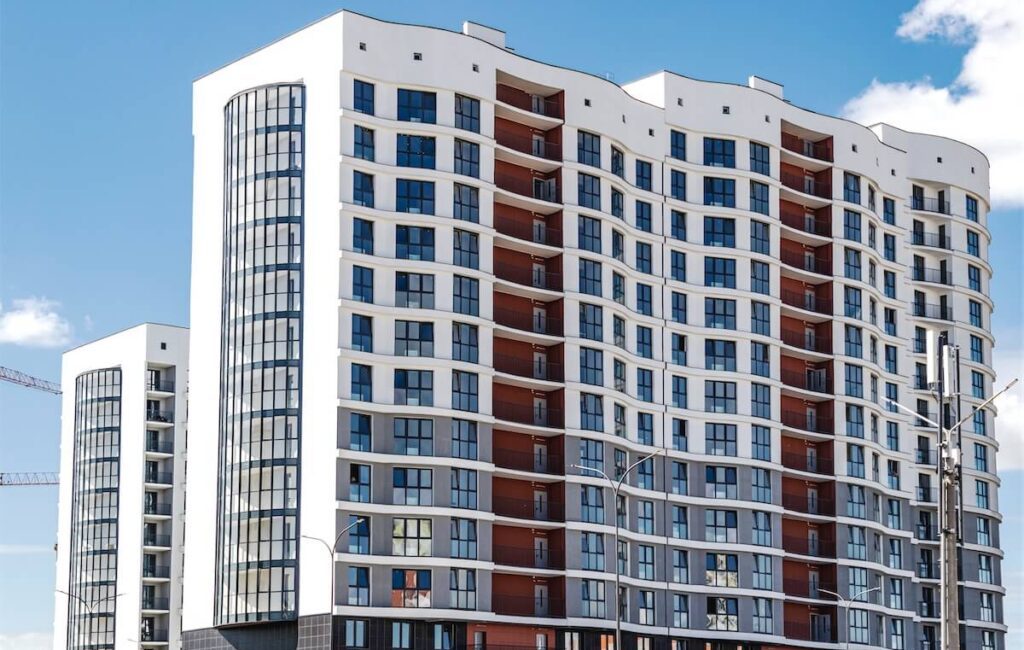
The Build-To-Order (BTO) scheme is the cornerstone of Singapore’s public housing strategy, offering affordable homes directly from the Housing & Development Board (HDB). When supply is tight or delayed, buyers turn to the resale market as an alternative, leading to an unintended spike in demand and prices.
Here’s why increasing BTO supply helps cool resale prices effectively:
- Reduces Pressure on Resale Market: With more options in the primary market, fewer buyers resort to resale flats.
- Improves Accessibility: First-time buyers can secure flats at lower prices, easing financial strain.
- Structured Rollouts: Planned and consistent releases prevent demand surges.
- Geographical Balance: BTO flats in non-mature estates help spread demand beyond popular zones.
By scaling up BTO launches, the government directly addresses the imbalance between housing demand and supply.
Why Cooling Curbs Alone Don’t Work
Cooling measures are designed to restrict demand temporarily, but they often don’t tackle the deeper issue — limited housing availability.
Some common cooling measures include:
- Loan-to-value ratio limits
- Longer Minimum Occupation Periods (MOPs)
- Income ceilings or eligibility restrictions for resale buyers
While these policies can reduce speculative activity or slow down short-term price growth, they also risk penalizing genuine home seekers.
Unintended consequences of excessive curbs:
- Delay in Home Ownership: Especially for young couples and first-time buyers.
- Higher Rental Demand: When buying is difficult, more people rent, pushing up rental prices.
- Price Stagnation Without Accessibility: Curbs may slow price increases but don’t necessarily make homes more affordable.
A rules-heavy approach without sufficient supply fails to create a healthy housing ecosystem.
What the Data Shows
In recent years, especially post-pandemic, the government has accelerated BTO launches. The July 2025 exercise alone saw over 10,000 new flats, a sign of strong commitment to a supply-driven strategy.
Key takeaways from data trends:
- Increased BTO launches correlate with more moderate resale price growth.
- Buyers now have more choices, reducing desperation in the resale market.
- New families experience less pressure and more options across towns.
With consistent BTO launches and shorter waiting times, the pressure on the resale market is expected to decline further over time.
Long-Term Benefits of a Supply-Driven Policy
Beyond short-term pricing, a supply-focused strategy provides greater market stability and long-term affordability.
Advantages include:
- Predictable Price Trends: Supply management helps moderate price fluctuations.
- Balanced Buyer-Seller Market: Fairer conditions for both sides of the transaction.
- Lower Risk of Speculation: Increased supply discourages speculative flipping.
- Urban Sustainability: Planned housing development ensures infrastructure keeps pace.
In short, a steady flow of new flats supports not just economic goals, but also social ones — giving Singaporeans confidence in home affordability.
Conclusion: Supply, Not Just Rules, Is the Solution
While cooling measures have their role, they should complement — not replace — a robust housing supply. The key to managing HDB resale prices lies in consistent, adequate BTO launches that match the needs of Singapore’s growing population.
A supply-first approach reduces competition, offers fair entry points for buyers, and ensures public housing remains accessible for generations to come.
If Singapore continues to prioritize supply alongside smart policies, the public housing system will stay strong, stable, and inclusive — just as it was intended.